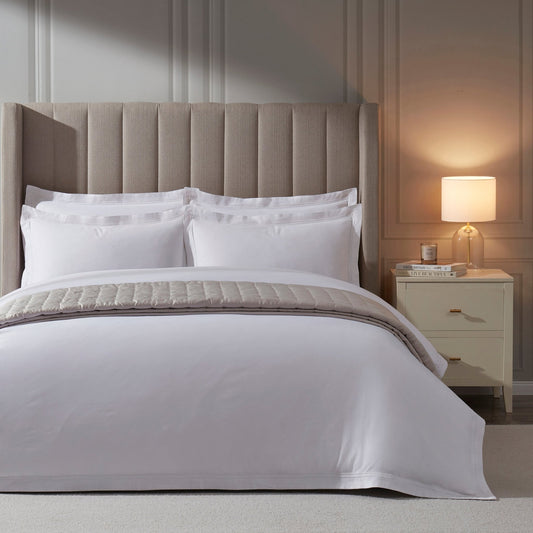
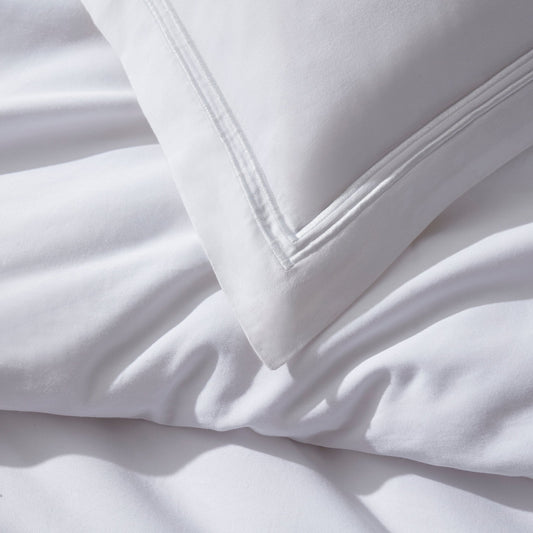
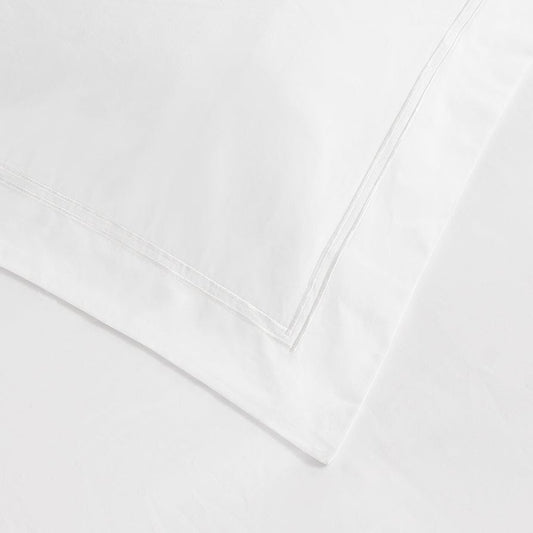
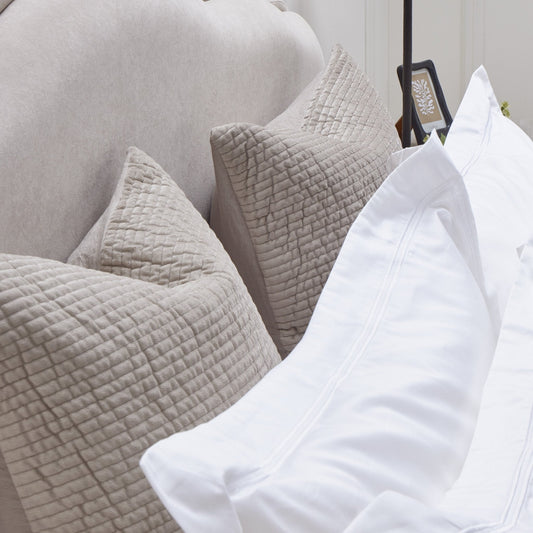
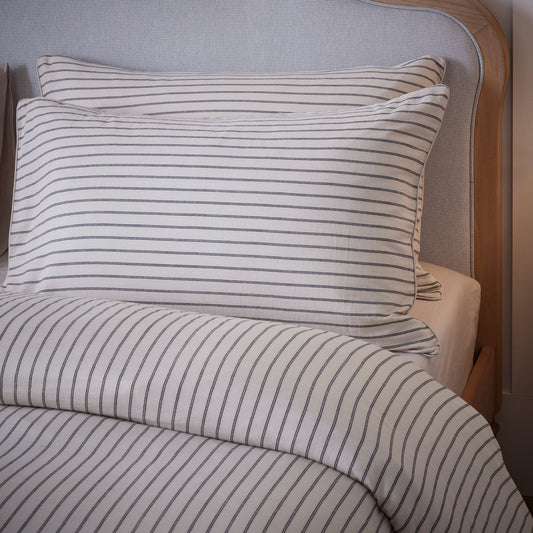
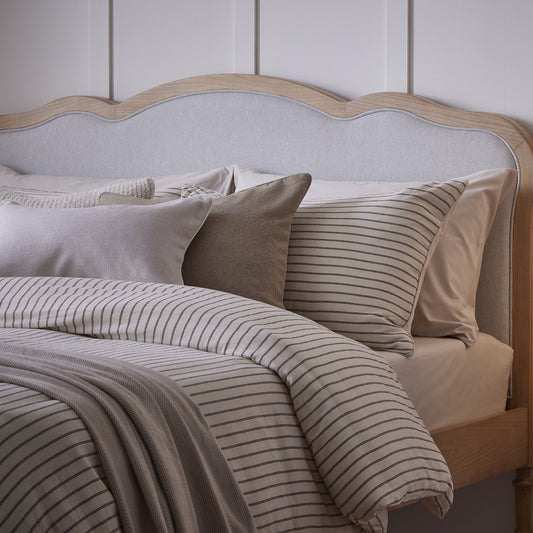
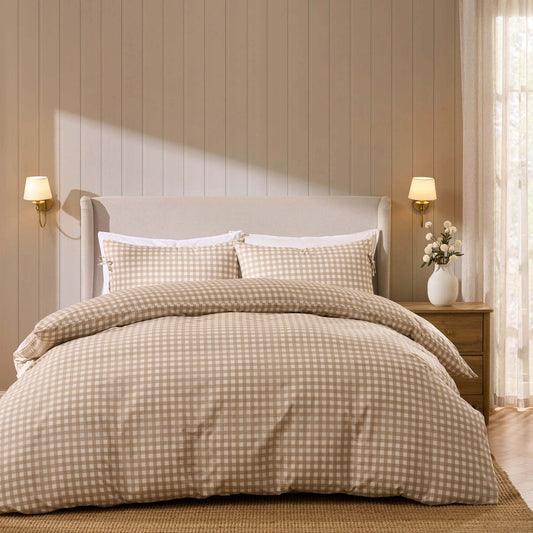
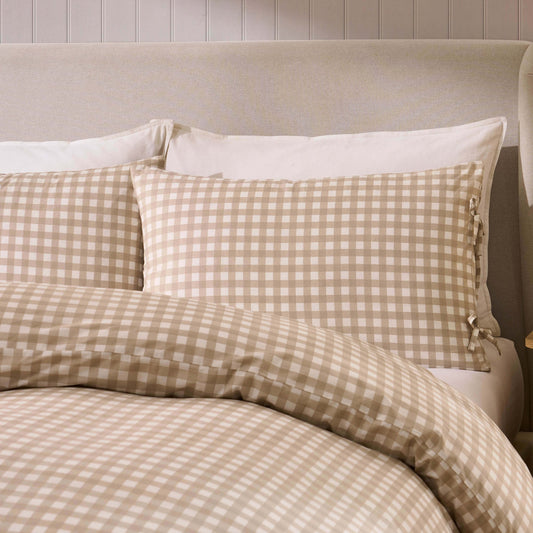
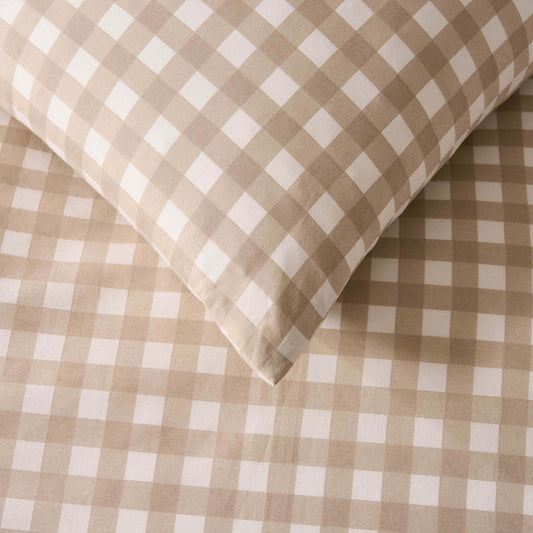
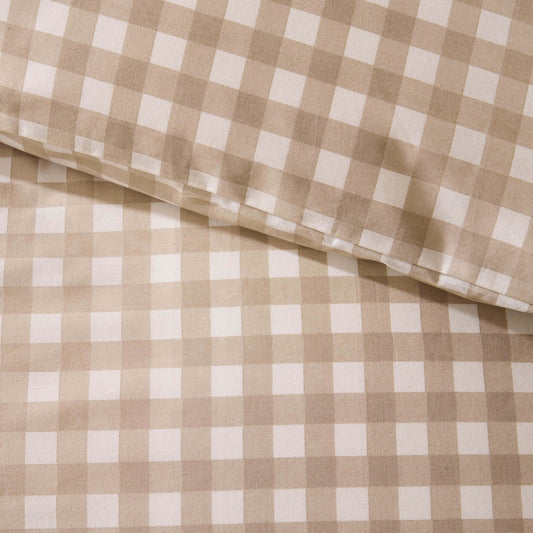
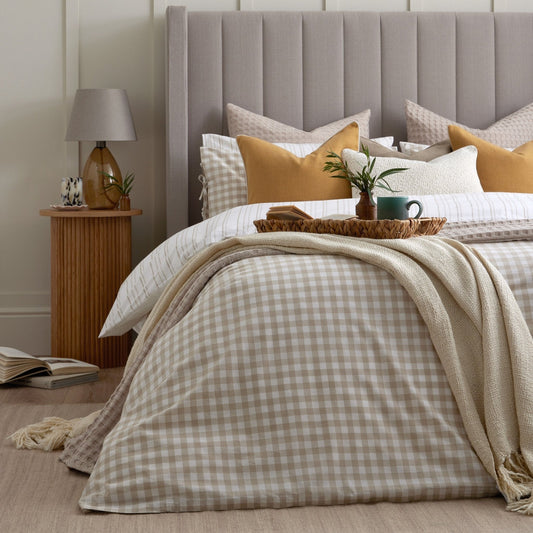
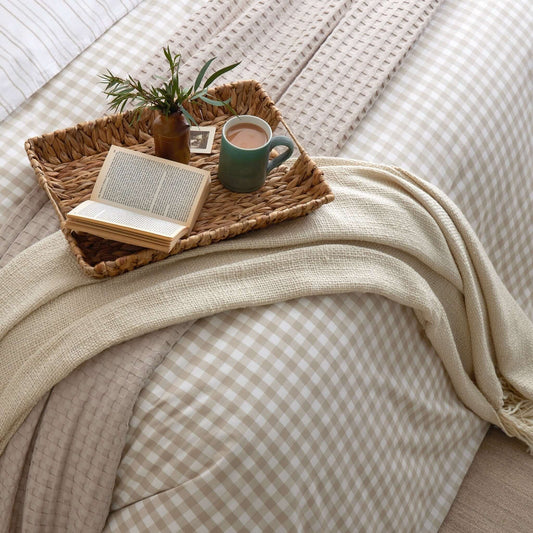
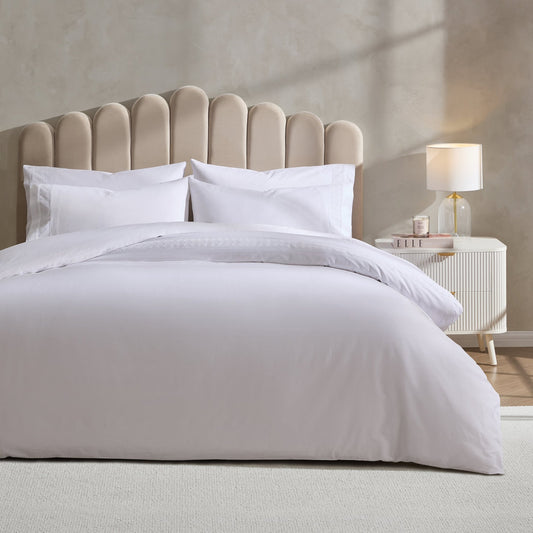
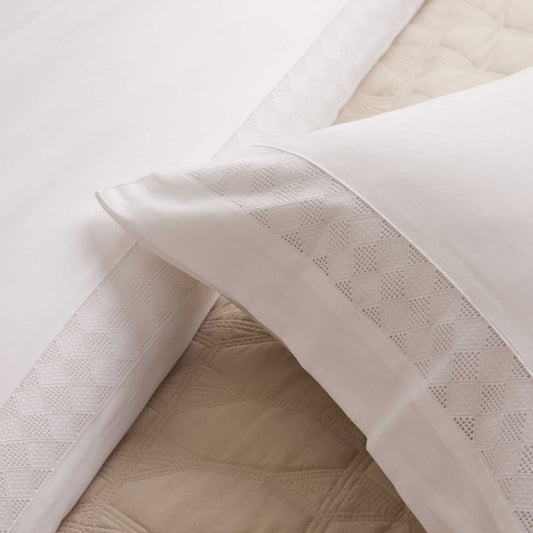
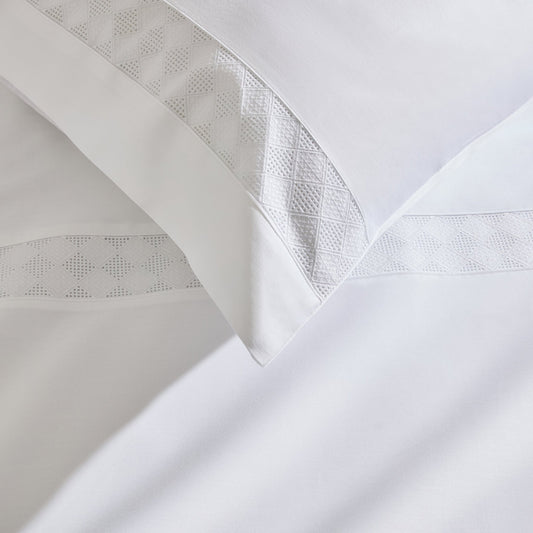
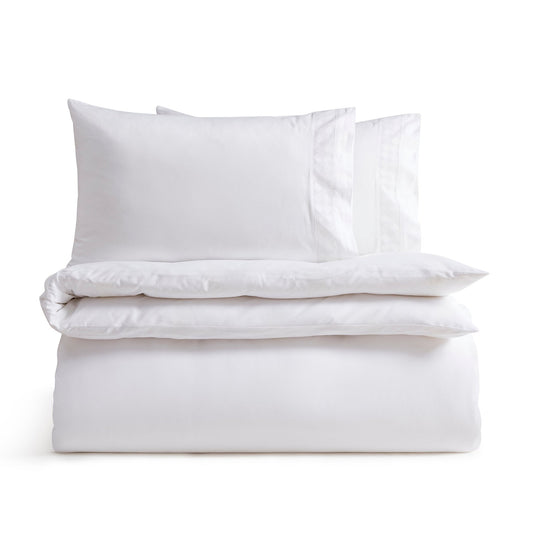
Great bedding does more than make the room look lovely. It can help you sleep more comfortably, keep you cooler on warm nights and turn jumping into bed into the best part of the day.
There is quite a lot to choose from, though. Cotton or brushed cotton? Double or king? Crisp and white or layered with colour? This guide breaks it all down, covering materials, sizing, seasonal swaps, styling and care.
Think of it as your fast track to a better-dressed bed, and hopefully a few longer lie-ins.
What to consider when choosing new bedding
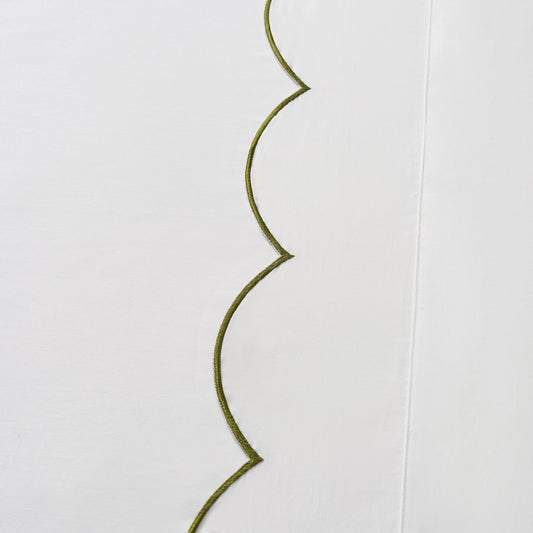
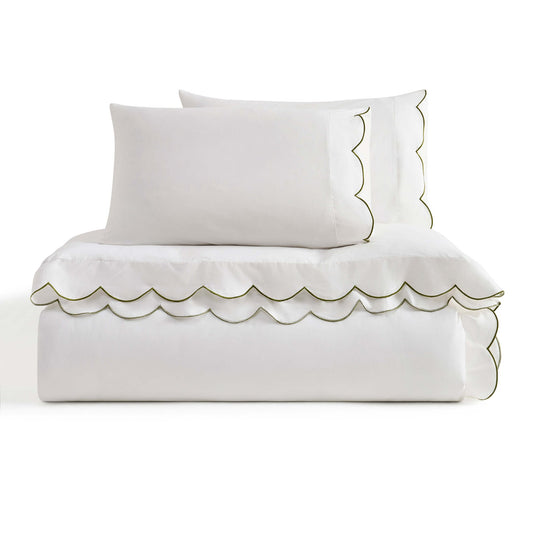
Before you get distracted by scalloped edges, stripes or that perfect shade of sage, it helps to cover the practical bits.
Start with the material. How bedding feels against your skin can make a real difference, especially if you tend to get warm at night or prefer something soft and cosy. Breathable cotton is a brilliant all-rounder, while brushed cotton comes into its own when the temperature drops.
Then, check the size. Your duvet cover should match the size of your duvet, so take a quick look at the label before you buy.
The time of year matters too. Lightweight fabrics work well through spring and summer, while warmer weaves and extra layers make autumn and winter nights feel much more cosy.
A quick checklist before you shop:
-
Which material feels best to you?
-
Do you sleep warm or feel the cold?
-
What size are your duvet, mattress and pillows?
-
Will you use the set all year or switch it seasonally?
-
How easy is it to wash and care for?
-
Are you buying for everyday use, a guest room or a little luxury?
Once you have those answers, the fun part of choosing the style becomes much easier.
Bedding materials explained

Material is one of the biggest decisions when choosing new bedding. It changes the texture, weight, breathability and overall look of the bed.
Some fabrics feel crisp and cool. Others are smooth, softly textured or designed to hold onto warmth. There is no single right answer; it comes down to what makes you feel most comfortable.
Cotton bedding
There is a reason cotton bedding is such a favourite. It is breathable and durable, making it a dependable choice for every day.
Cotton allows air to circulate, so it works particularly well if you tend to feel warm during the night. It is versatile too. Depending on the weave and finish, it can feel crisp and fresh, beautifully smooth or soft and relaxed.
For most households, cotton is an excellent place to start. It suits year-round use, washes well and works in everything from the main bedroom to the guest room.
Egyptian cotton bedding
For a more luxurious feel, Egyptian cotton is hard to beat.
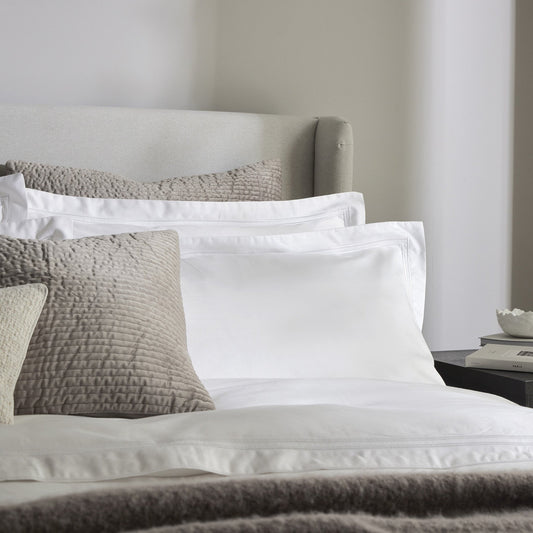
Its long, fine fibres can be spun into smooth, strong threads, creating bedding that feels soft against the skin while remaining beautifully durable. The finish is polished and elegant, making it ideal for recreating that freshly made hotel-bed look at home.
Choose Egyptian cotton if you love bedding that feels refined, smooth and made for sinking into. It is a little everyday indulgence and the kind of bedding you appreciate each time you climb beneath the covers.
Seersucker bedding
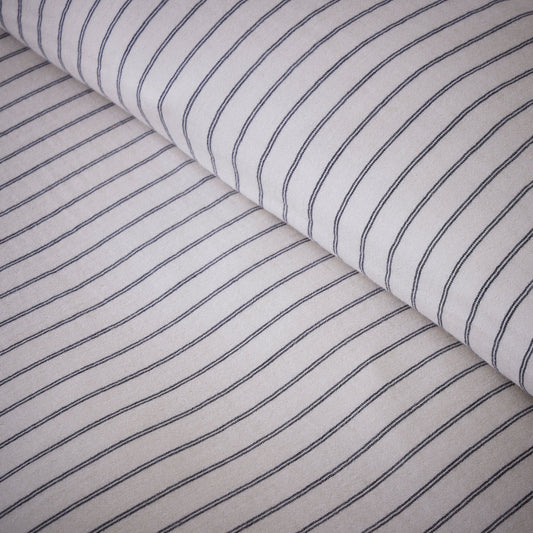
Seersucker bedding brings beautiful texture to the bed.
Its gently puckered surface gives it a relaxed, laid-back appearance, so there is no need to worry about achieving a perfectly pressed finish. It looks best with a little natural movement.
Lightweight and breathable, seersucker is particularly lovely during spring and summer. It is also a great option for busy homes or guest bedrooms, as the textured finish keeps styling simple.
Add a few plump pillows, smooth the duvet into place and you are done. No ironing marathon required.
Brushed cotton bedding
When the nights get colder, brushed cotton bedding really earns its place in the linen cupboard.
The fabric is gently brushed to lift the fibres, giving it a soft, cosy finish that feels warm from the moment you get into bed. It offers the familiarity of cotton, but with extra insulation for autumn, winter and naturally cooler rooms.
It is especially well suited to anyone who always seems to have cold feet, even with the heating on.
| Material | Best for | Key benefit | Season |
|---|---|---|---|
| Cotton | Everyday comfort and most sleepers | Breathable, durable and versatile | All year |
| Egyptian cotton | A smooth, luxury finish | Soft, refined and long-lasting | All year |
| Seersucker | Relaxed styling and warmer nights | Lightweight and low maintenance | Spring and summer |
| Brushed cotton | Cold sleepers and cosy bedrooms | Soft, warm and insulating | Autumn and winter |
Bedding sizes guide: finding the right fit
Even the most beautiful bedding can look untidy if the sizing is wrong.
Your duvet cover should always be the same size as the duvet inside it. A double duvet needs a double cover, a king duvet needs a king cover, and so on.
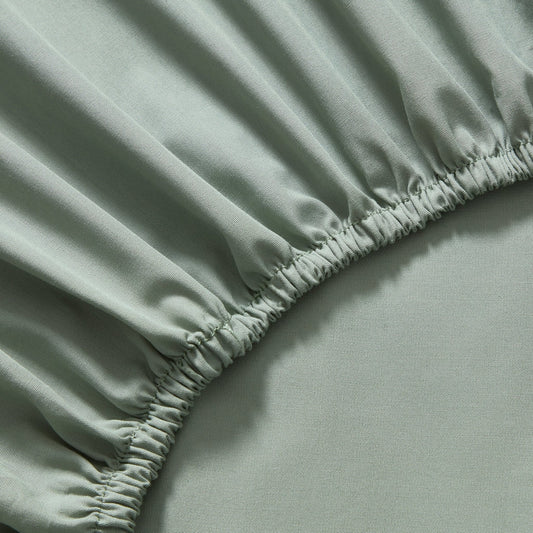
Fitted sheets need a little extra attention. Check both the width and length of your mattress, then measure its depth. Deep mattresses and toppers may need a deeper fitted sheet to sit securely around the corners.
Pillows are another detail worth checking. Standard pillows suit most beds, while super king pillows can create a fuller, more generous look across larger frames.

| Bed size | Recommended duvet size | Recommended pillow size |
|---|---|---|
| Single | 140 x 200cm | Standard: 50 x 75cm |
| Small double | 200 x 200cm | Standard: 50 x 75cm |
| Double | 200 x 200cm | Standard: 50 x 75cm |
| King | 225 x 220cm | Standard or super king: 50 x 90cm |
| Super king | 260 x 220cm | Super king: 50 x 90cm |
Some people with a double bed choose a larger sized duvet for extra drape or to put an end to nightly cover stealing.
For a closer look at pillow dimensions, explore our pillow size guide.
How to choose bedding by season

Your bed does not need a complete makeover every time the weather changes. Often, switching the fabric or adding one well-chosen layer is enough.
During warmer months, focus on airflow. When colder evenings arrive, bring in softness, layers and extra insulation.
Bedding for spring and summer
Lightweight cotton, crisp percale and textured seersucker are all lovely options for warmer nights. They feel fresh, allow air to circulate and help stop the bed from feeling overly layered.
This is also a good time to simplify. Fold away thick bedspreads and heavy throws, replacing them with one lighter layer that can be pulled up if the temperature dips overnight.
Soft whites, pale neutrals and fresh seasonal shades can make the whole room feel brighter, although colour is always welcome if that is more your style.
Find more warm-weather inspiration in our guide to the top bedding choices for spring.
Bedding for autumn and winter
As soon as the evenings turn chilly, it is time to build the bed back up.
Brushed cotton adds immediate warmth, while quilted bedspreads, knitted throws and plump cushions make the room feel cosier. Layering is useful as well as stylish, as each piece can be added or removed depending on the temperature.
Your duvet tog plays a part too. A higher tog generally offers more insulation, although your ideal choice will depend on the room, season and how warm you naturally sleep.
Our duvet tog guide explains the options in more detail.
| Season | Materials to consider | Layers to add |
|---|---|---|
| Spring | Cotton, percale and seersucker | A lightweight throw |
| Summer | Breathable cotton and light textures | Likely none |
| Autumn | Cotton sateen and brushed cotton | A quilt or knitted throw |
| Winter | Brushed cotton and warmer weaves | A bedspread, throw and cosy duvet |
How to style your bedding
A well-styled bed should feel inviting, not as though nobody is allowed to sit on it.
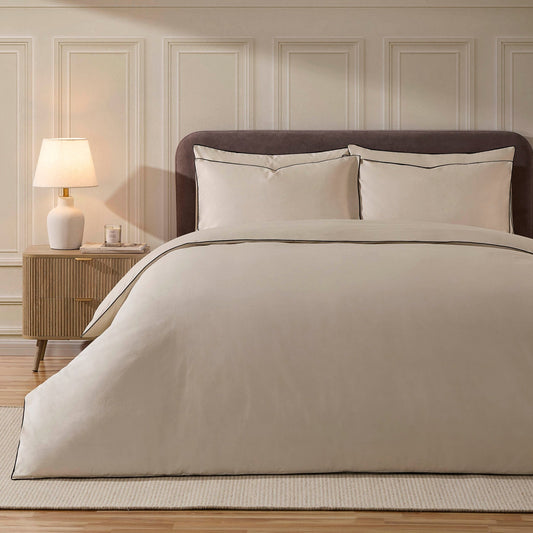
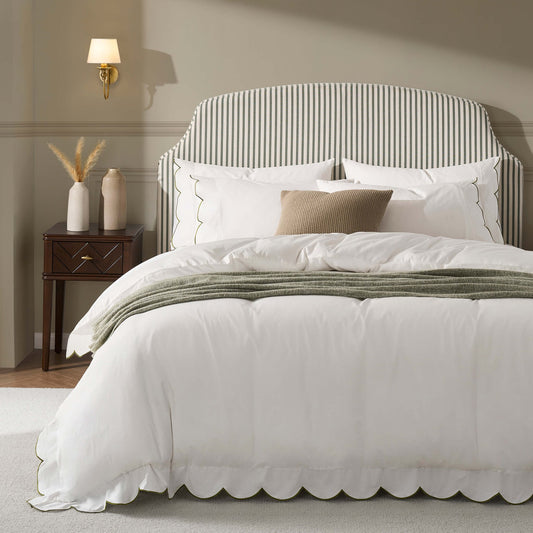
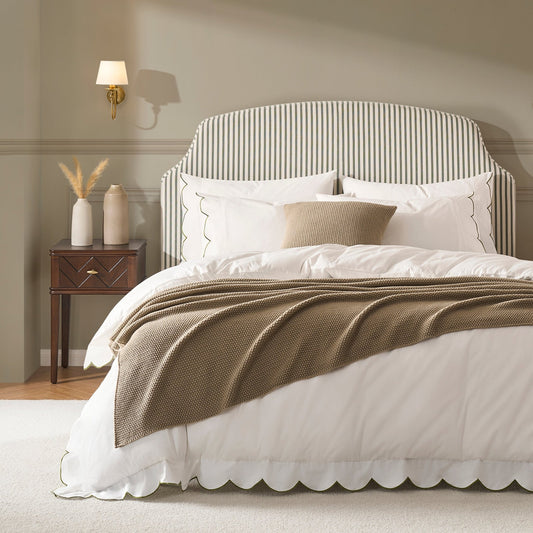
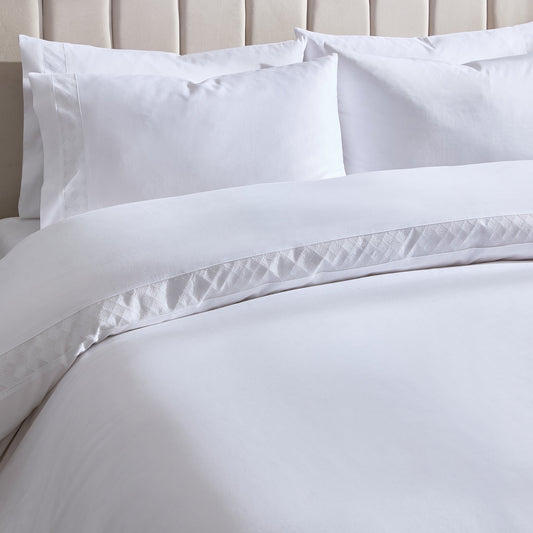
Begin with colour. White bedding is timeless and gives you a clean base to build on, while natural shades create a softer, warmer look. Deeper colours, stripes and floral prints can make more of a statement without needing to redecorate the rest of the room.
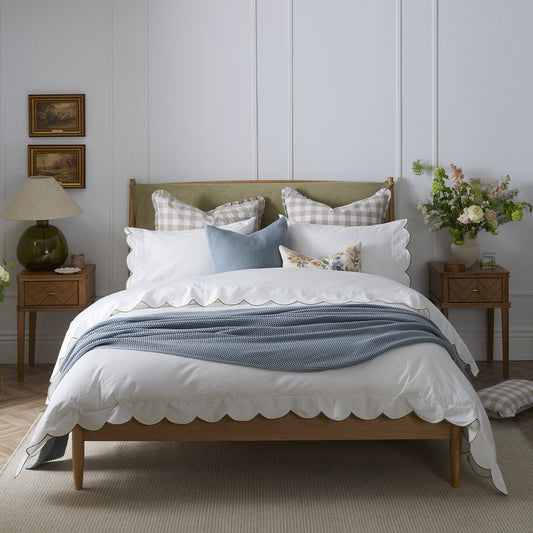
Look around the space before choosing. Picking up a colour from the curtains, headboard, rug or artwork helps the bed feel connected to everything around it.
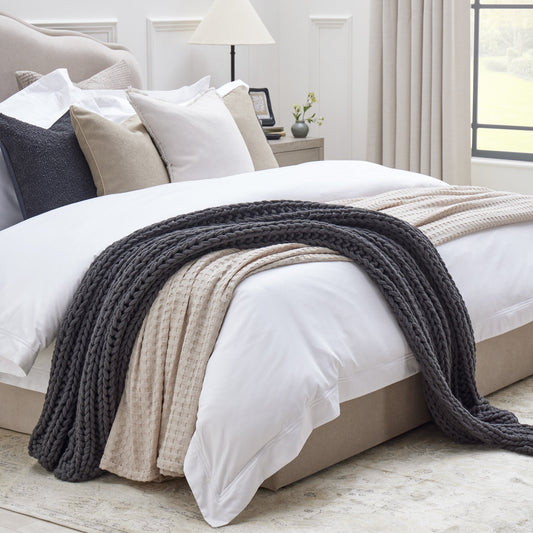
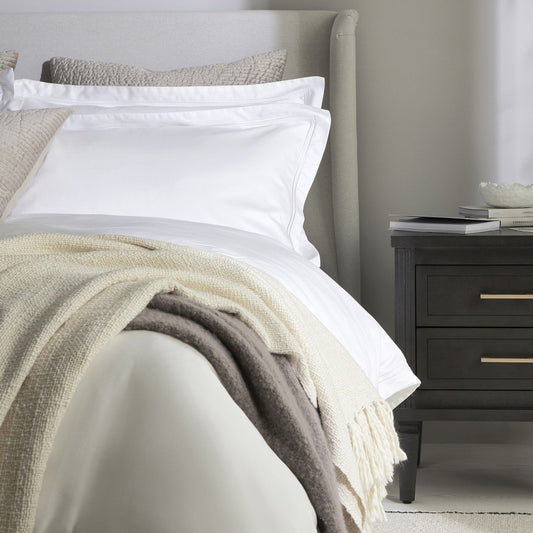
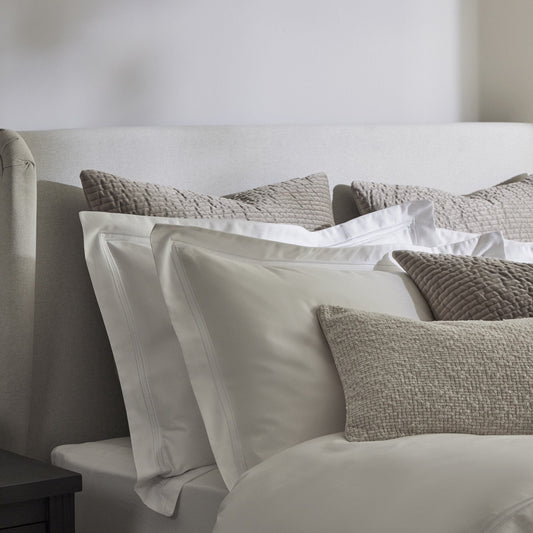
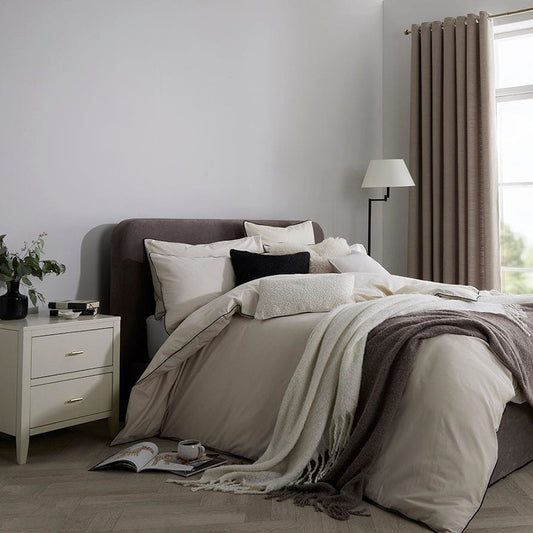
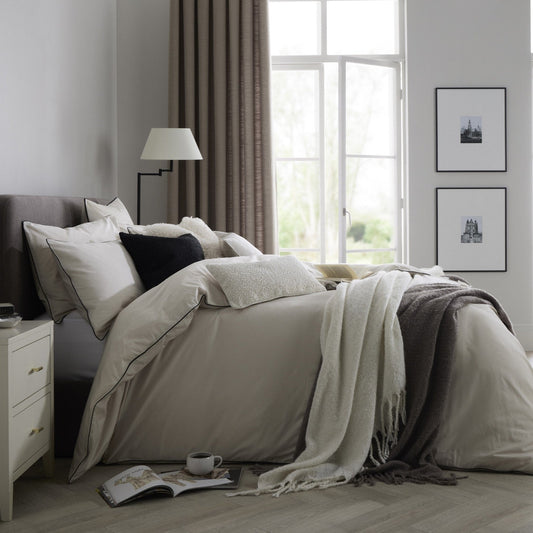
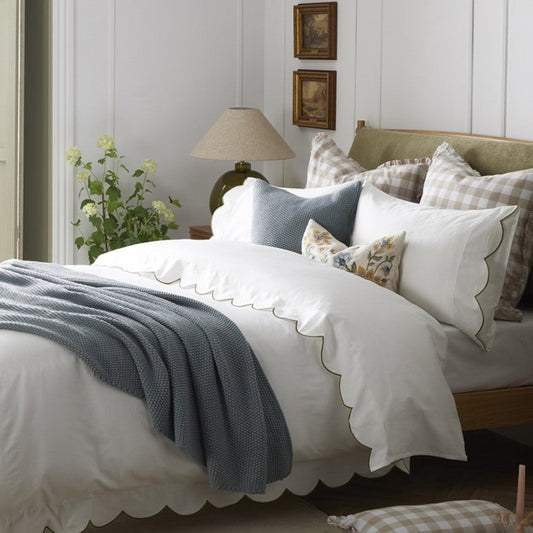
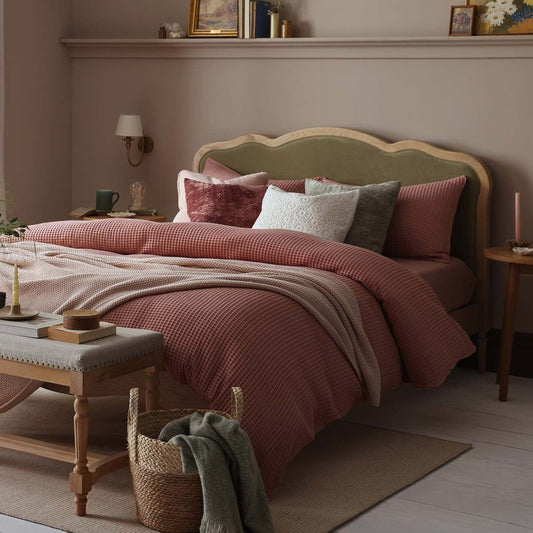
Next comes layering. Place sleeping pillows at the back, then add one or two decorative cushions in front. Finish with a throw or bedspread across the lower third of the mattress.
There's no need to line everything up with military precision. A casually folded throw or a cushion placed slightly off-centre often makes the bed look more relaxed.
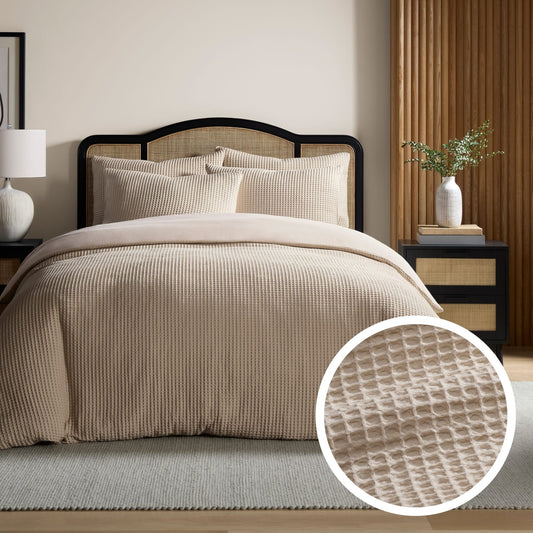
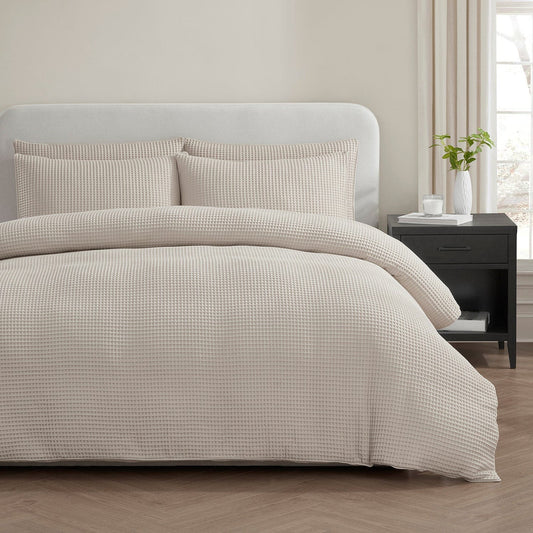
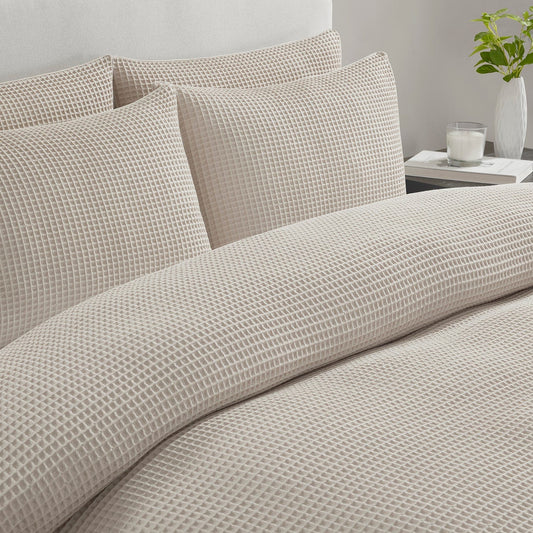
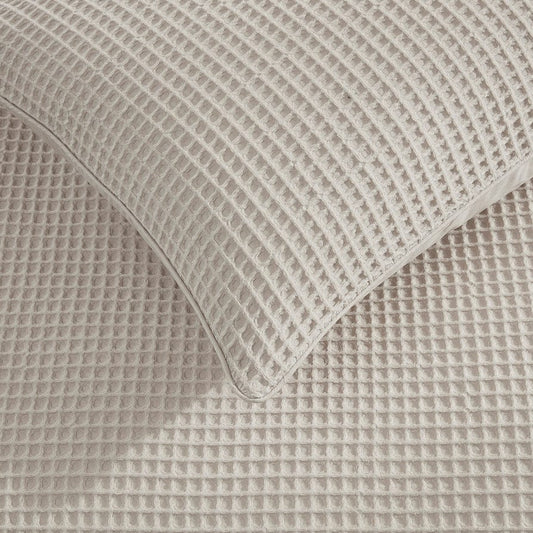
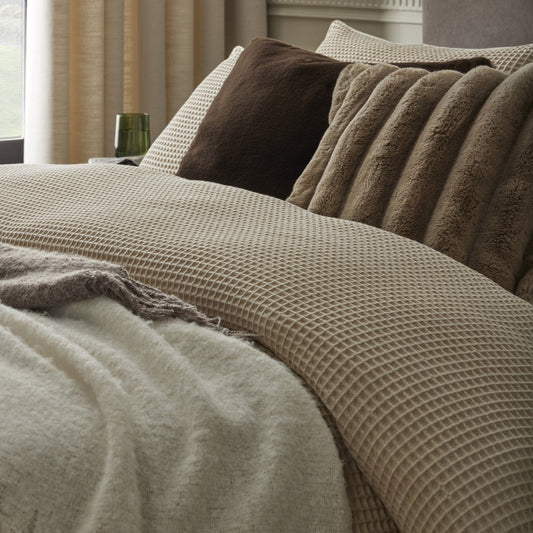
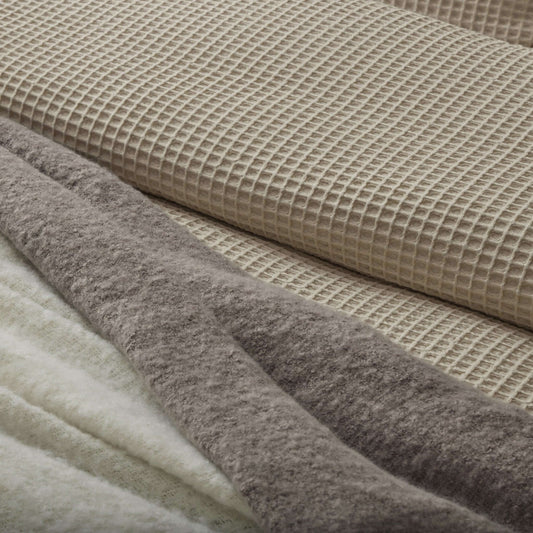
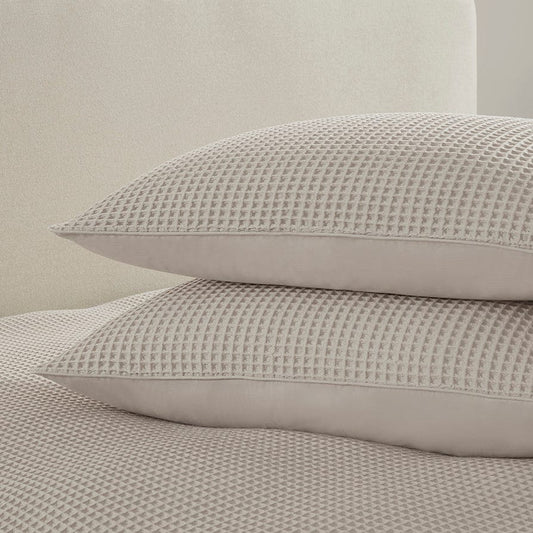
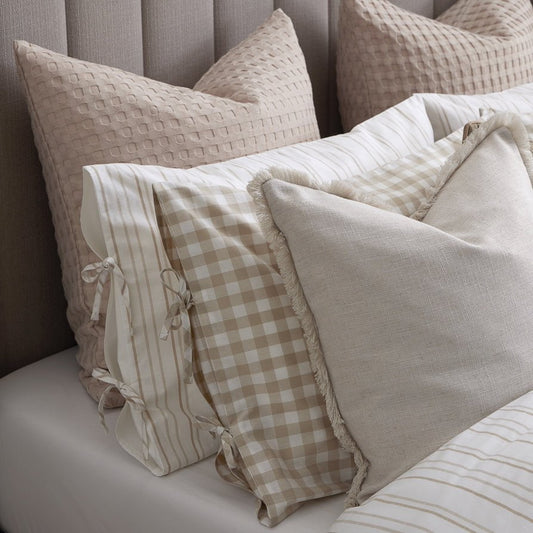
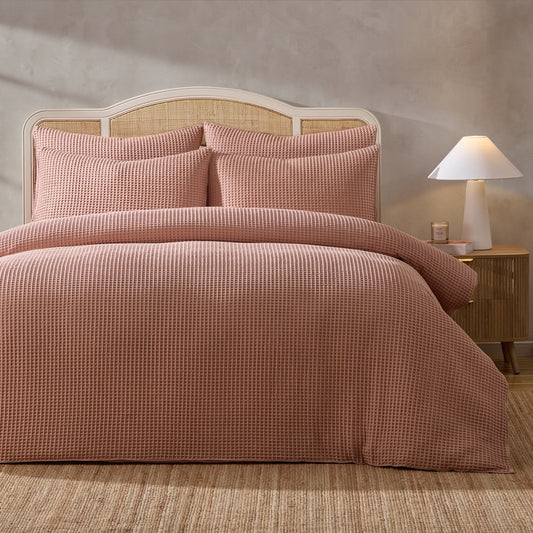
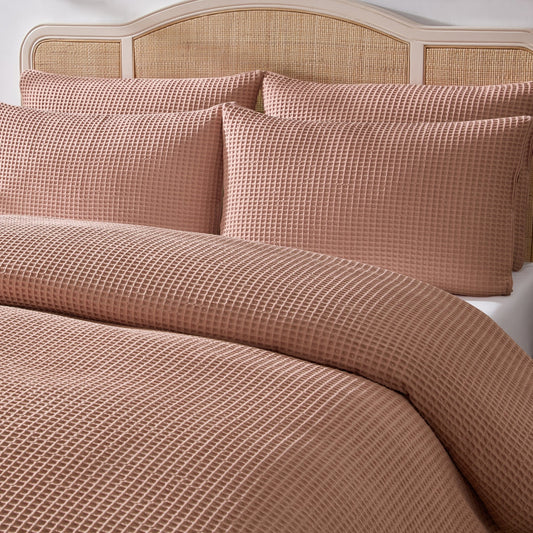
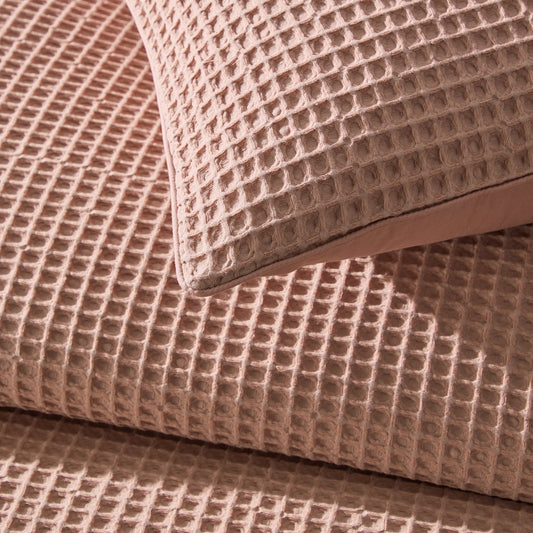
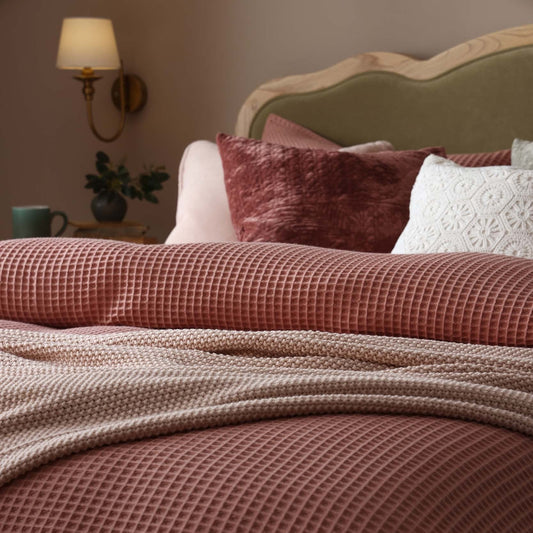
Texture is what brings a simple scheme to life. Try smooth cotton with quilted stitching, soft velvet, waffle or seersucker. Keeping the colours fairly focused will stop the mix from feeling busy.
And remember, more is not always more. Sometimes crisp bedding, two beautifully plumped pillows and one lovely throw are all the bed needs.
How to care for your bedding and make it last
Good bedding should be enjoyed, washed and slept in, not saved for best.
As a general guide, aim to wash sheets, duvet covers and pillowcases once a week. You might prefer to wash them more often during hot weather, after illness or if pets regularly sleep on the bed.
Always check the care label first. Different fabrics, colours and decorative details may need different temperatures or drying methods.
Separate white, light and dark bedding before washing to help prevent colours from transferring. Avoid packing too much into the machine, as bedding needs space to move around and rinse properly.
Once the cycle ends, remove everything promptly and give each piece a good shake. It is a small step, but it helps loosen creases before drying.
Air drying is gentle on the fabric when the weather allows. If you are using a tumble dryer, follow the care instructions and take the bedding out once dry rather than leaving it sitting in the drum.
Rotating between a few sets can also help. Each one gets a little break between washes, which reduces repeated wear and gives you an excellent excuse to keep more than one favourite in the cupboard.
For more advice, read our guide to how often to wash bedding.
Shop bedding by material, colour and size
Now you know what to look for, it is time to find the bedding that suits your room and the way you sleep.
Start with material. Cotton is a reliable choice for day-to-day comfort, while Egyptian cotton adds a smoother, more luxurious feel. Choose seersucker for easy texture or brushed cotton when cosiness is the priority.
Colour can change the mood of the whole bedroom. White bedding creates a fresh, hotel-inspired finish, while natural bedding brings in a little warmth. Blues, greens, pinks and patterned designs offer more personality.
Finally, shop by size. Explore single bedding, double bedding, king size bedding and super king bedding to find the right fit.
Whether you are refreshing the whole room or simply treating yourself to that fresh-sheet feeling, the right set can make every night feel that little bit comfier.
Shop all bedding and find your perfect bedding set.
Bedding buying FAQs
What is the best material for bedding?
Cotton is a great choice for most sleepers because it is breathable, durable and comfortable throughout the year.
From there, it depends on the finish you prefer. Egyptian cotton feels smooth and luxurious, seersucker is light and textured, and brushed cotton offers extra warmth during colder months.
How often should you wash bedding?
Most bedding should be washed around once a week. This helps remove sweat, oils, dust and everyday build-up.
You may want to wash it more frequently during warm weather, after illness, if you experience allergies or when pets share the bed. Follow the care label each time, as fabrics and finishes can vary.
How do I choose the right bedding?
Think about how you sleep, when you will use the bedding and how you want it to feel.
Start by choosing a suitable material, then check the measurements of your duvet, mattress and pillows. Consider breathable options for warmer weather, cosier fabrics for winter and colours that work with the rest of your room.
The best bedding should fit properly, feel comfortable and make you look forward to bedtime. Looking lovely is a very welcome bonus.