The right garden furniture can turn even the smallest patch of outdoor space into somewhere you actually want to spend time and enjoy your morning coffee, lazy lunches and golden-hour lounging. But knowing how to choose garden furniture, and how to look after it once it arrives, makes all the difference.
In this guide, we’ll cover what to think about before you buy garden furniture, which materials may suit your space, how to clean garden furniture safely, and the simple maintenance habits that can help keep your outdoor pieces looking their best. Consider it your practical, no-fuss guide to outdoor living.
Quick answer: how do you keep garden furniture looking its best?
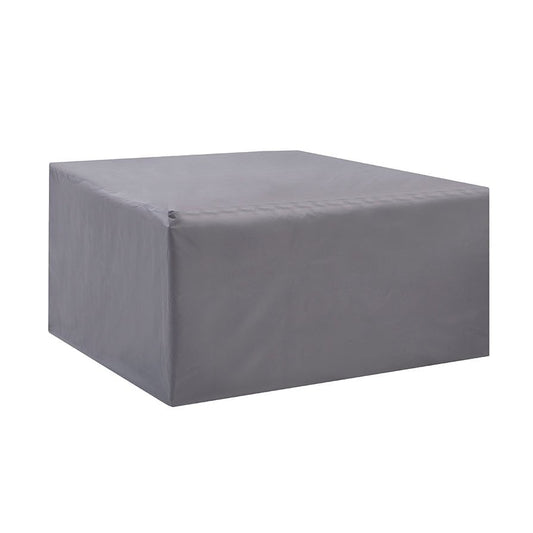
Clean it gently, store cushions somewhere dry when they are not in use, use a suitable furniture cover during bad weather, and let covered furniture air on dry days. Water-resistant fabrics are helpful for light showers, but they still need proper care, especially during heavy rain, persistent wet weather, autumn and winter.
What to Consider Before You Buy Garden Furniture
Before you decide on a beautiful garden set, it’s worth thinking about how your outdoor space will be used day to day. A garden furniture set for long, relaxed dinners will need different features from a compact bistro set made for a balcony or sunny corner.
When you’re ready to buy garden furniture, start with the practical bits first:
-
Space: Measure your patio, balcony or garden area before choosing a set, including room to pull chairs out comfortably.
-
Use: Think about whether you’ll be dining, lounging, hosting, reading, sunbathing, or a happy mix of all five.
-
Seating: Choose enough seats for everyday use, then consider extra chairs, benches or modular pieces if you often entertain.
-
Comfort: Look at whether you’re happy with the cushion depth and back support.
-
Material: Different materials need different levels of care, so be honest about how much maintenance you’ll realistically do.
-
Style: Choose tones and textures that feel at home with your garden, from relaxed rattan-effect weaves to warm wood and sleek metal.
How to Choose Outdoor Furniture for Your Space
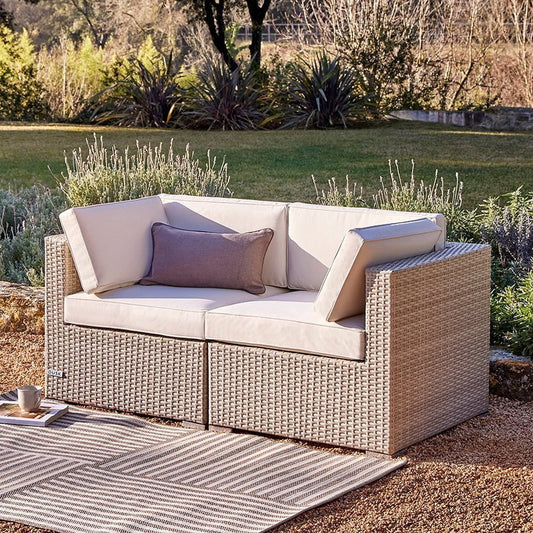
The best outdoor furniture starts with your space, not the other way around. For balconies and compact patios, a two-seater bistro set or slimline dining set can create a proper place to sit without making the area feel crowded. Add an outdoor cushion or rug and suddenly it feels much more “terrace in Tuscany”, even if you’re five steps from the kitchen.
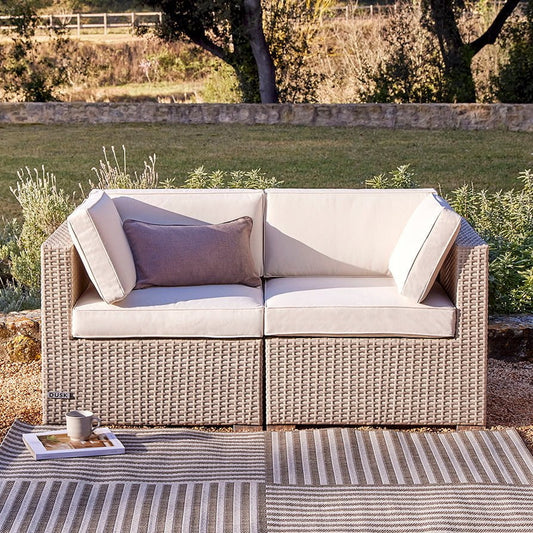
For smaller gardens, choose pieces that work hard. Folding chairs, stackable seating, compact tables and storage boxes are all clever choices when space is precious. If you love hosting but don’t have acres to play with, a four-seater dining set or corner sofa with a coffee table can offer plenty of comfort without taking over.
Larger gardens and entertaining areas can take more generous pieces, such as six-seater dining sets, modular corner sofas, loungers and parasols. Just remember to leave clear walkways around the furniture, especially near doors, steps and barbecues. The aim is a space that feels inviting, not like an obstacle course.
Explore DUSK’s outdoor furniture collection to find pieces for patios, balconies, gardens and sunny little corners.
The Best Garden Furniture Sets for Different Needs
The best garden furniture sets are the ones that suit how you actually live outside. A compact bistro set is ideal for morning coffee, smaller patios and balconies, while a four-seater dining set is a lovely choice for weekday dinners outdoors or relaxed weekend lunches.
If lounging is the main event, look for an outdoor sofa or corner lounge set with deep cushions and a low table for drinks, books and nibbles. For bigger gatherings, modular garden furniture or six to eight-seater dining sets offer a more sociable feel, giving everyone somewhere comfortable to settle in.
For family spaces, durable tables, easy-to-move seating and practical accessories, such as parasols, cushion storage and furniture covers, are well worth considering. They help the garden feel ready for everything from sunny breakfasts to last-minute guests.
Which Materials Should You Choose?
Material choice affects the look, comfort and care of your garden furniture, so it’s worth getting to know the basics before you buy. Some materials are easier to wipe clean, while others bring natural warmth but need a little more looking after.
| Material | Best for | Care notes |
|---|---|---|
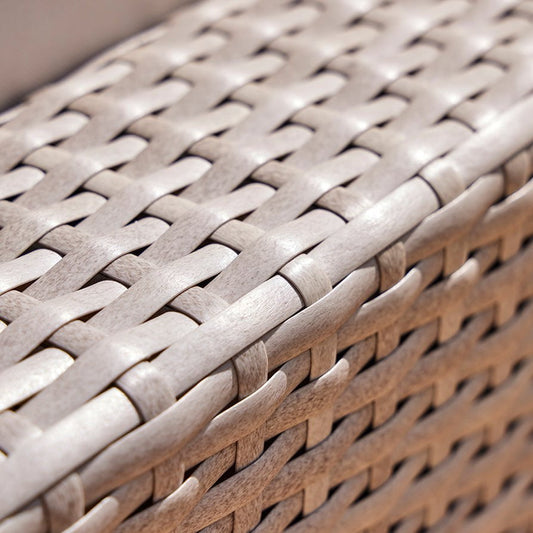
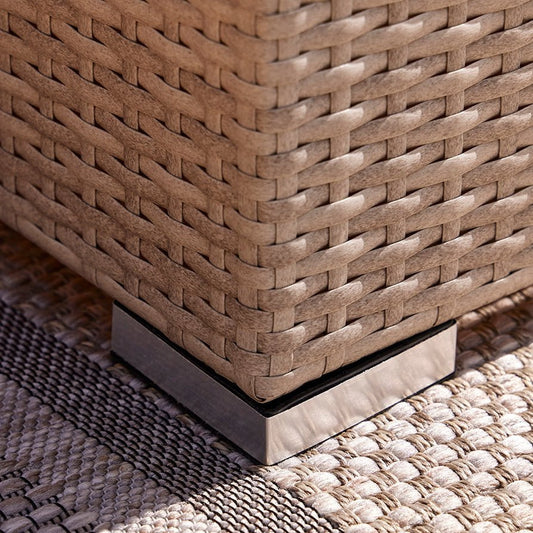
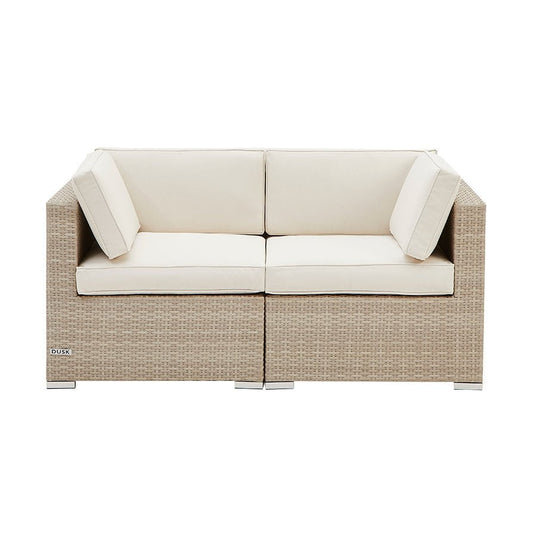
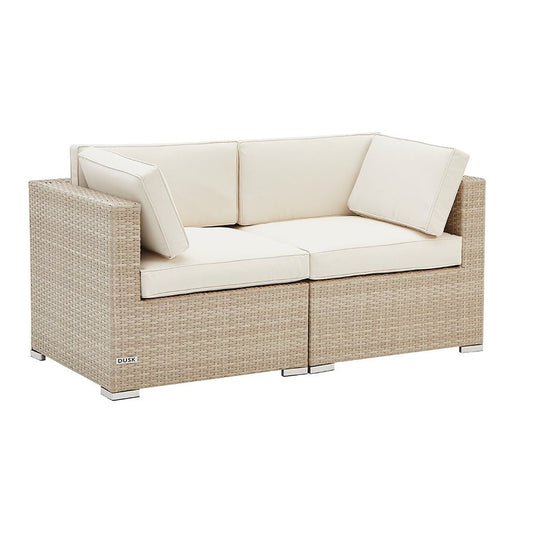
| Rattan-effect garden furniture | Relaxed lounging, dining sets and woven texture | Designed for UK outdoor use, but should be protected during adverse or extreme weather with a good quality cover. Rattan may naturally expand in warmer weather and contract as temperatures cool. |
| Wood, including acacia, eucalyptus and teak | Natural warmth, classic dining sets and timeless garden style | Wooden pieces need suitable oil treatment. Acacia and eucalyptus should be treated with a good quality hardwood sealer oil, while teak should be treated with teak sealer oil, following the product instructions. |
| Iron and steel | Slim frames, bistro sets and contemporary silhouettes | Some rusting can occur with iron and steel. Check regularly and treat any signs of rust promptly with the correct rust removal product. |
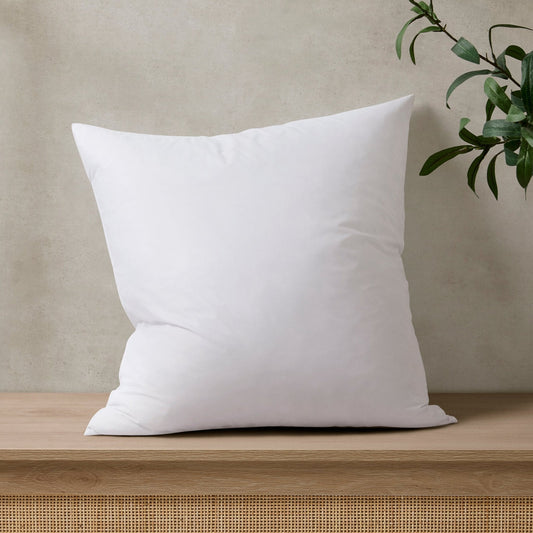
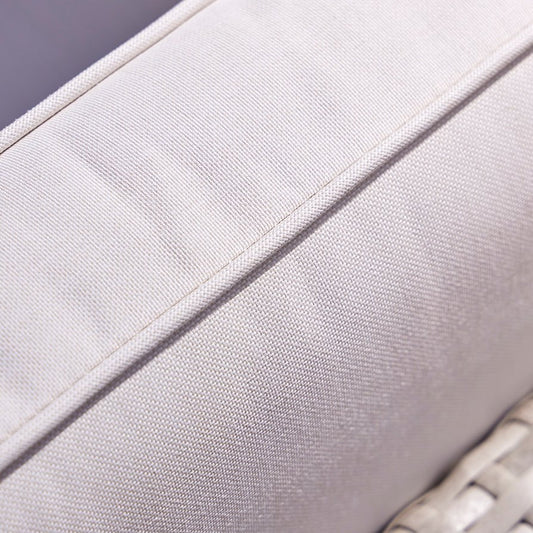
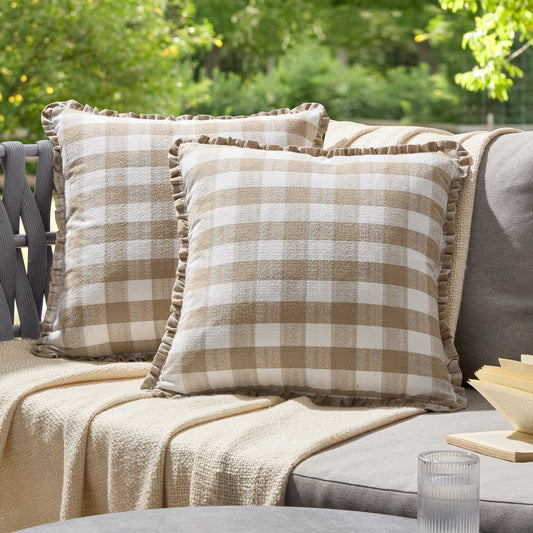
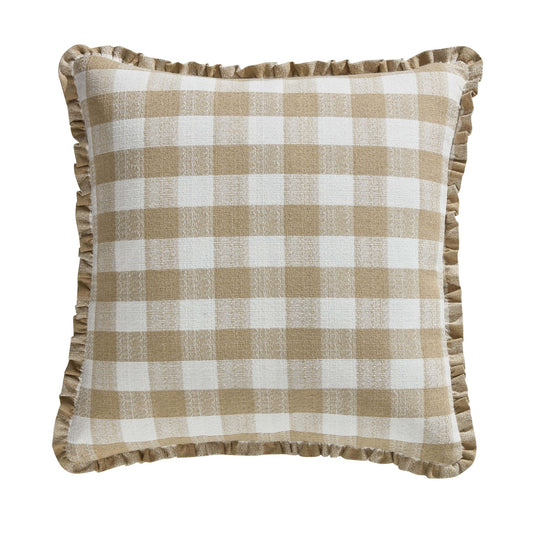
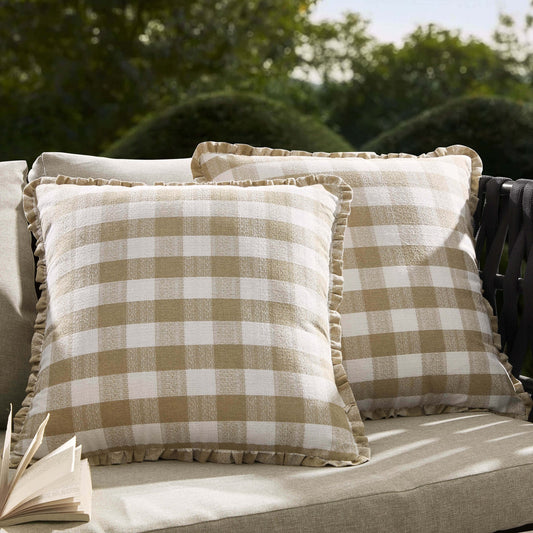
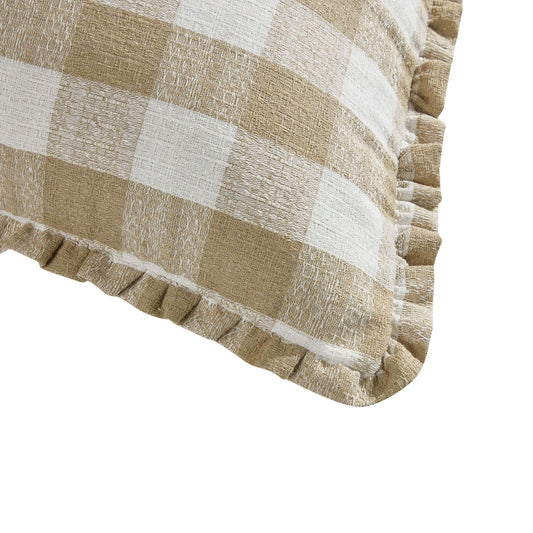
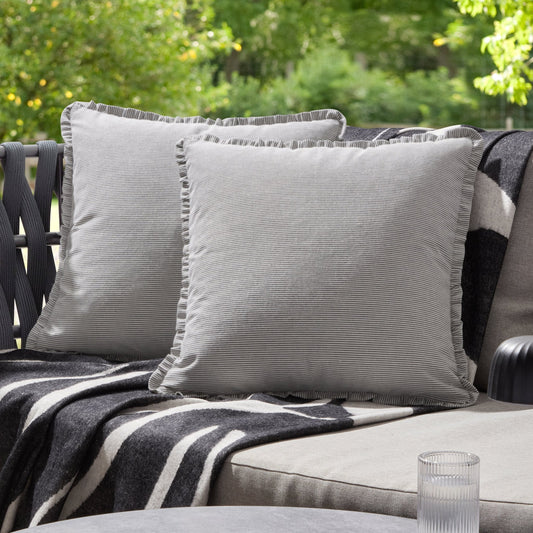
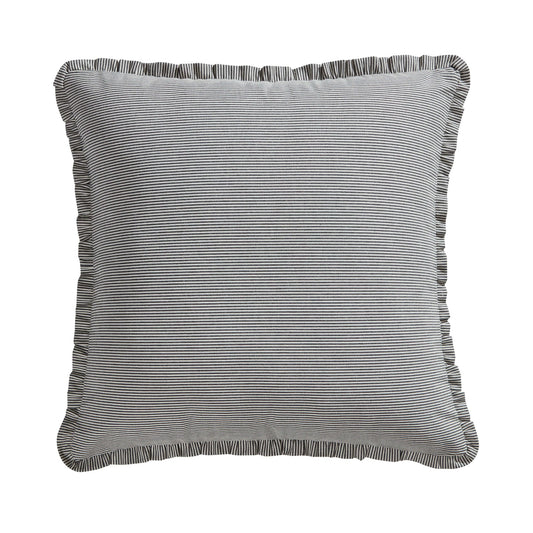
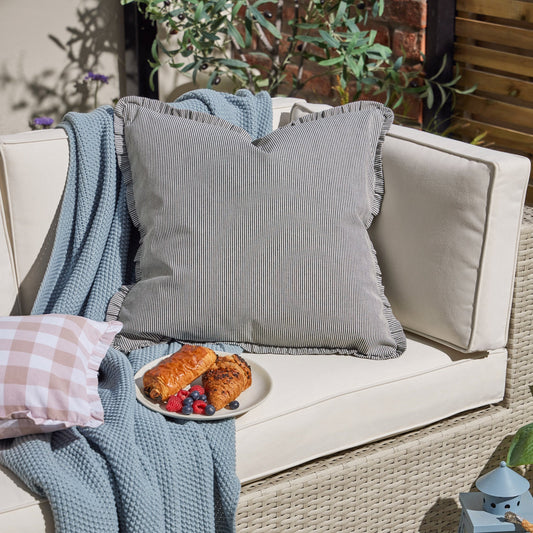
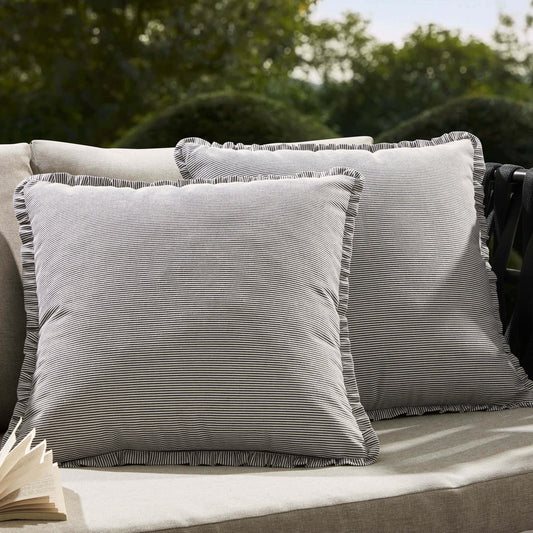
| Outdoor cushions | Comfort, colour and a softer, more styled finish | Water-resistant fabrics can help with light rain, but cushions should be stored somewhere dry when not in use, during heavy rain, and through autumn and winter. |
| Parasols | Shade, comfort and sunny-day hosting | Take parasols down when not in use, make sure they are clean and dry before storing, and keep them in a cool, dry indoor place during autumn, winter and unexpected bad weather. |
Whatever material you choose, always check the care information for your specific product. A little maintenance, done regularly, is much easier than a big rescue mission after a long wet winter.
How to Clean Garden Furniture
Knowing how to clean garden furniture properly helps keep it fresh without damaging the finish. The golden rule is gentle care first. Harsh products can do more harm than good, especially on woven finishes, specialist tabletops, outdoor fabrics and coated metal.
For most regular cleaning, follow these simple steps:
-
Remove cushions before cleaning the furniture frame.
-
Brush away loose dirt, leaves and debris before it settles into the surface or weave.
-
Wipe frames and surfaces with a clean, damp cloth.
-
Avoid bleach, abrasive cleaners and anything likely to scratch or strip the finish.
-
Allow furniture to air dry thoroughly before covering or storing.
For cushions, brush off loose dirt before it becomes embedded. If you spot a small mark, use a clean white cloth and a weak solution of warm water with washing powder or laundry detergent, then allow the fabric to air dry fully. Do not put cushions away while damp, as trapped moisture is nobody’s friend.
For parasols, wipe with warm, soapy water, then dry thoroughly before storing. For iron or steel furniture, check for rust as part of your cleaning routine and treat it quickly with the correct rust removal product.
How to Maintain Your Furniture Throughout the Year
Garden furniture maintenance doesn’t need to be a grand weekend event. Little and often is the way to go, especially with the British weather doing what it does best: changing its mind.
-
Spring: Remove covers on dry days, let furniture air, wipe away dust or marks, and check that bolts, legs and frames feel secure before regular use.
-
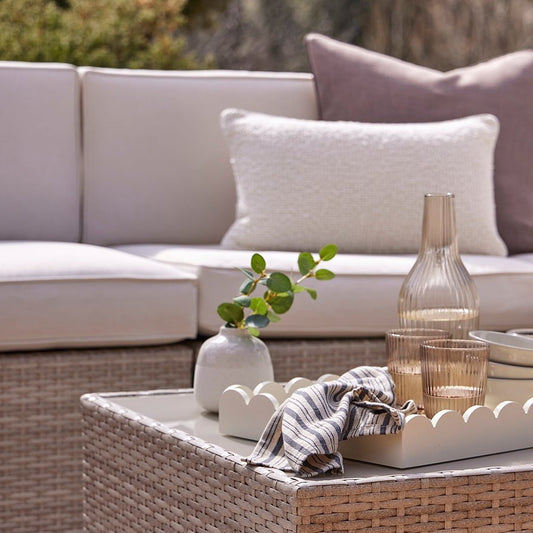
Summer: Brush off dirt regularly, wipe spills quickly, and avoid leaving reflective objects such as glasses, bottles or ornaments on rattan tables in direct sunlight.
-
Autumn: Clean furniture before the weather turns, make sure everything is completely dry, and start storing cushions indoors or somewhere dry when not in use.
-
Winter: Store furniture, cushions, gazebos, parasols and accessories indoors where possible, or protect suitable items with a good quality furniture cover.
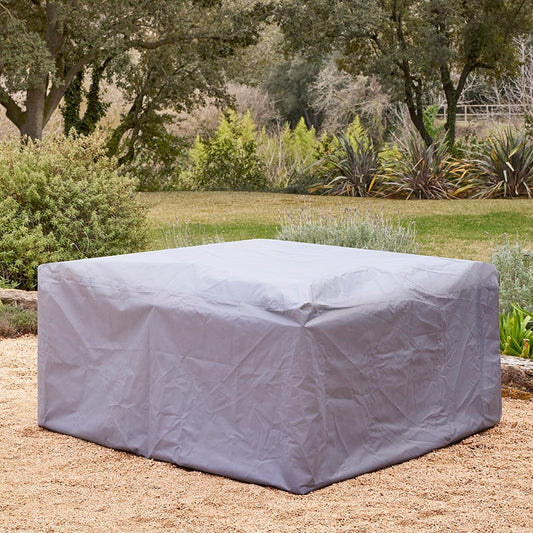
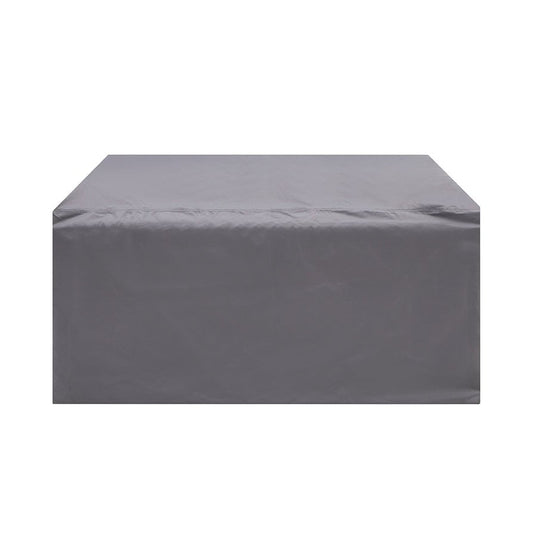
Covers are useful, but they should not be treated as a fit-and-forget fix. Moisture and condensation can build up underneath if covers are left on for long periods, so on dry, brighter days, remove them and allow the furniture to breathe. Always take cushions off before covering furniture, as cushions left underneath a cover may still be exposed to trapped moisture.
It’s also worth remembering that prolonged direct sunlight can affect colour over time. During very sunny spells, storing cushions when not in use or moving them out of strong, direct light may help preserve their appearance.
Storage and Protection Tips
Good storage is one of the simplest ways to help maintain garden furniture. Even pieces designed for outdoor use benefit from protection during heavy rain, persistent wet weather, colder months and unexpected storms.
-
Store cushions in a dry place when they are not in use, especially through autumn and winter.
-
Remove cushions before putting a cover over your furniture.
-
Make sure furniture is clean and dry before covering it.
-
On dry days, remove covers to reduce trapped moisture and condensation.
-
Store parasols indoors when not in use, and always make sure they are clean and dry first.
-
Use furniture on a firm, flat and level surface, with chair legs kept in contact with the ground.
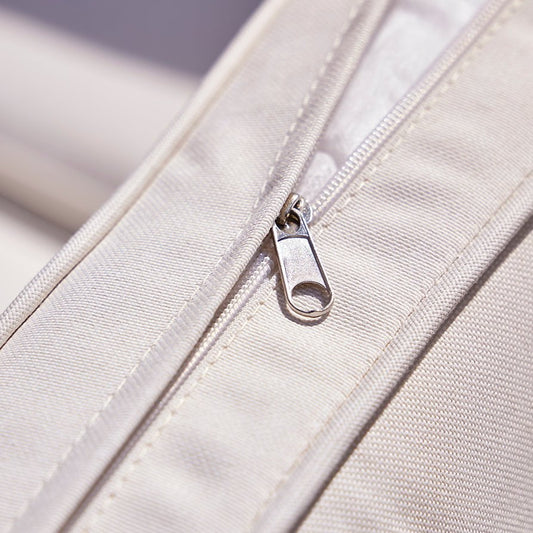
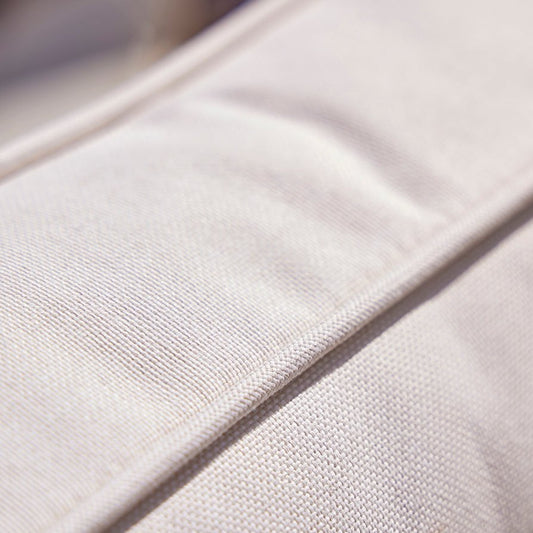
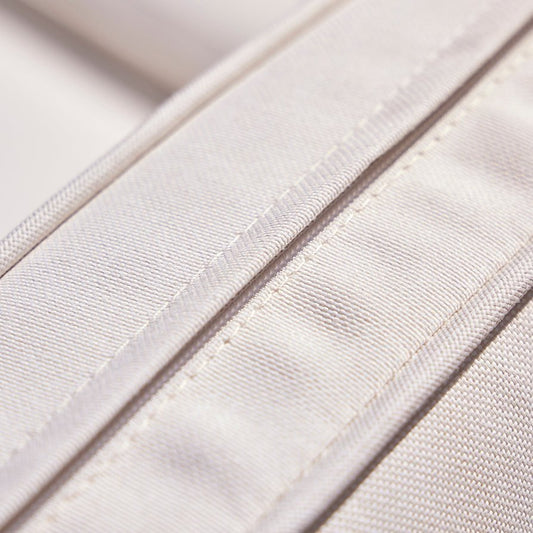
It’s also important to understand the difference between water-resistant and waterproof. Water-resistant outdoor cushions are designed to help resist light moisture, and some fabrics allow rain to bead on the surface. They are not, however, designed to be left outside through every downpour. In heavy or persistent rain, water can still get in, particularly through seams, so dry storage is strongly advised.
Browse outdoor living pieces, including cushions, parasols, rugs and finishing touches, to complete your garden set-up beautifully.
FAQs
What should I consider before buying garden furniture?
Before buying garden furniture, consider your space, seating needs, main use, comfort, material and storage options. Measure carefully, then choose a set that leaves enough room to move around, pull chairs out and use the space comfortably.
How do I choose the right garden furniture for my space?
Choose garden furniture based on the size and layout of your outdoor area. Bistro sets work well for balconies and compact patios, dining sets suit everyday meals outdoors, and corner lounge sets are ideal for relaxed seating in larger gardens.
What is the easiest garden furniture to clean?
The easiest garden furniture to clean is usually furniture that can be wiped down regularly with a damp cloth and has simple, accessible surfaces. Rattan-effect, metal and coated finishes can be easy to care for when cleaned gently and protected correctly, but always follow the care instructions for your specific product.
How often should I clean garden furniture?
Clean garden furniture little and often during the months you use it most. Brush off dirt before it settles, wipe up spills quickly, and give furniture a proper clean before covering or storing it for longer periods.
How do I maintain garden furniture throughout the year?
Maintain garden furniture throughout the year by keeping it clean, dry and protected during bad weather. Store cushions somewhere dry, use suitable covers when needed, remove covers on dry days to reduce condensation, and check material-specific care such as wood oiling or rust treatment.
Should garden furniture be covered or stored away in winter?
Garden furniture should be stored indoors where possible during winter, or protected with a good quality furniture cover if suitable for the product. Cushions, parasols and accessories should be stored in a clean, dry indoor place, and furniture should be clean and dry before it is covered.
Which type of material is best for garden furniture?
The best material for garden furniture depends on your style, space and how much maintenance you are happy to do. Rattan-effect furniture has a relaxed woven look, wood feels warm and timeless but needs oil treatment, and metal can look sleek but should be checked for rust over time.