Shoes have a habit of gathering by the front door. One pair becomes three, someone comes home in muddy trainers, and before long the hallway feels more like an obstacle course than an entrance.
The trouble is, hallways have a lot to do. They need to handle the school run, work bags, coats, umbrellas, dog leads and all the shoes that come with everyday life, often without much floor space to spare. Good storage for shoes in a hallway should make those daily comings and goings easier, not simply give you somewhere else to hide the clutter.
From slim shoe cabinets to benches you can perch on while tying your laces, these shoe storage ideas will help you find a set-up that works for your space. You can also explore our hallway furniture collection for more clever ways to keep the entrance tidy.
Your Shoe Storage Checklist
Before choosing your shoe storage, work out what actually needs a home. It sounds obvious, but it is surprisingly easy to buy for the hallway you would like to have rather than the one your household uses every morning.
-
Count the everyday pairs. Trainers, school shoes, work shoes and dog-walking boots deserve the easiest-to-reach spots. Occasion shoes can live elsewhere if hallway space is limited.
-
Think beyond footwear. If coats, bags, scarves and umbrellas also congregate by the door, plan for them at the same time.
-
Measure properly. Check will it fit using the width and depth, plus the space needed to open nearby doors comfortably.
-
Look for unused space. An alcove, the area beneath wall hooks or an awkward corner could be just enough for compact storage.
-
Choose open or closed storage. Open shelves make daily shoes easy to grab, while closed cabinets keep a busy collection neatly out of sight.
-
Leave yourself room to grow. A spare shelf or compartment is considerably more useful than trying to squeeze in one last pair.
The best shoe storage ideas are usually the ones that fit naturally into your routine, with no complicated tidying ritual required.
Shoe Storage Ideas for Every Hallway

There is no single best type of shoe storage, because the right choice depends on your hallway and, perhaps more importantly, how your household treats its shoes.
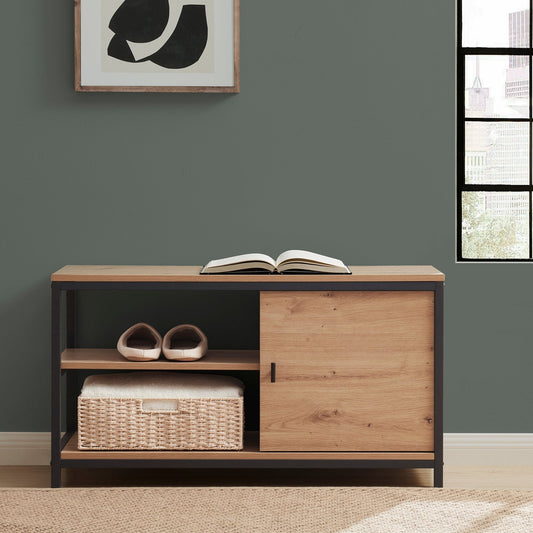
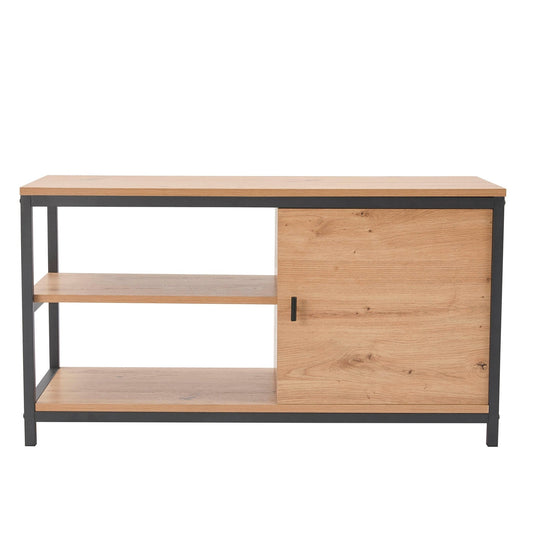
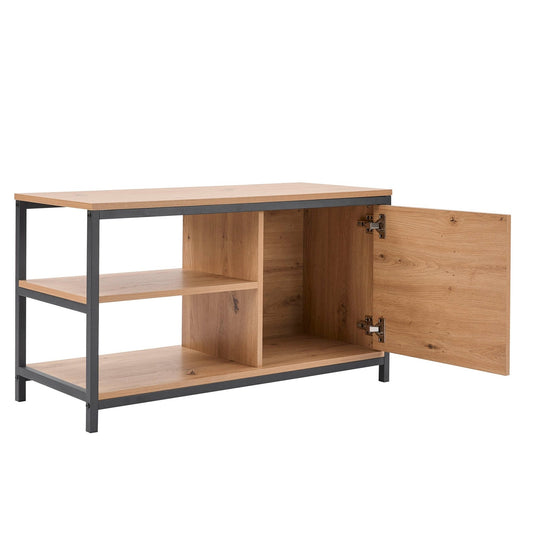
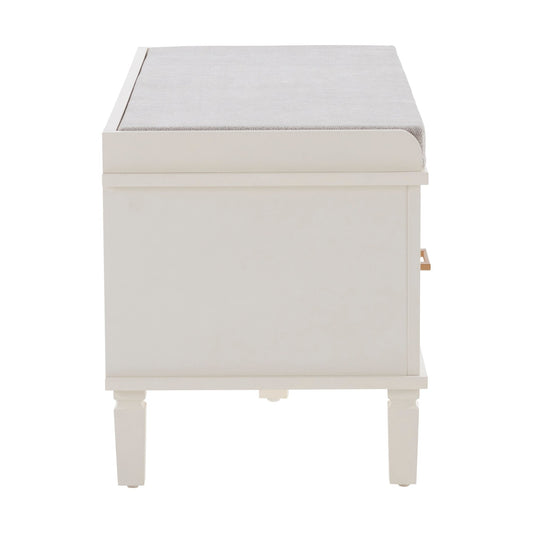
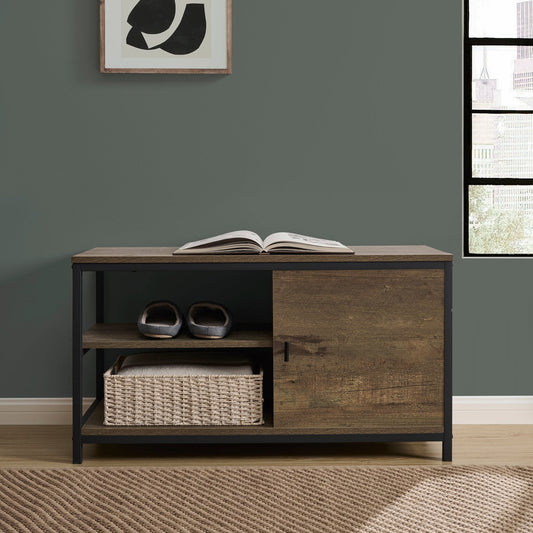
For a busy entrance, an open design such as the Willow or Nell Shoe Storage Bench makes sense. Shoes can go straight onto the shelves, rather than being abandoned beside them, and the bench gives you somewhere to sit while pulling on boots or tying laces. There is concealed storage at the side too, handy for gloves, scarves and those smaller hallway bits that otherwise seem to migrate.
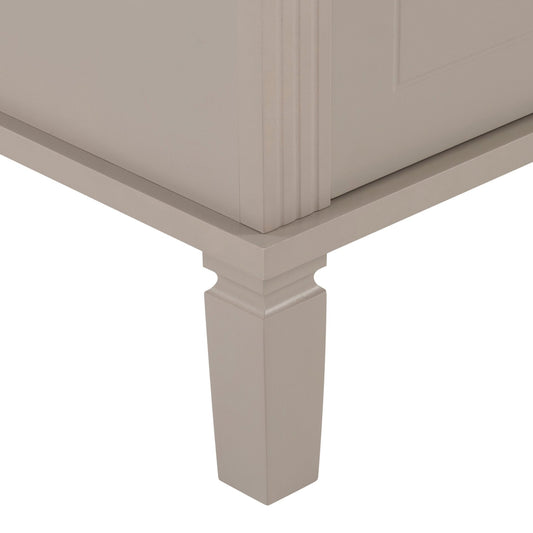
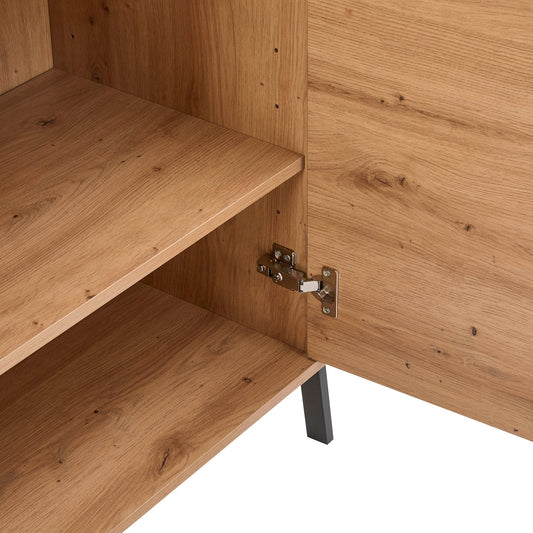
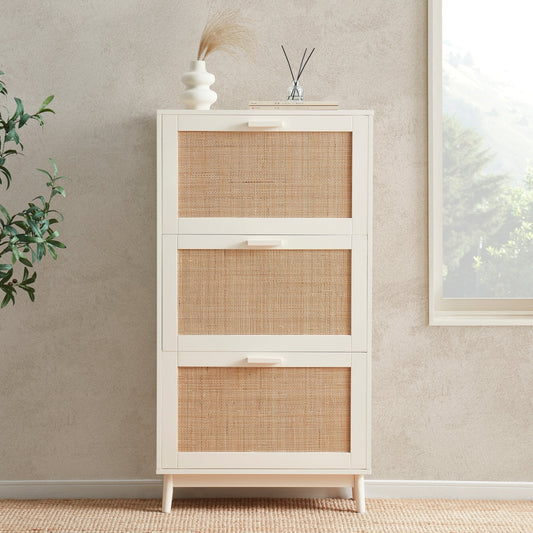
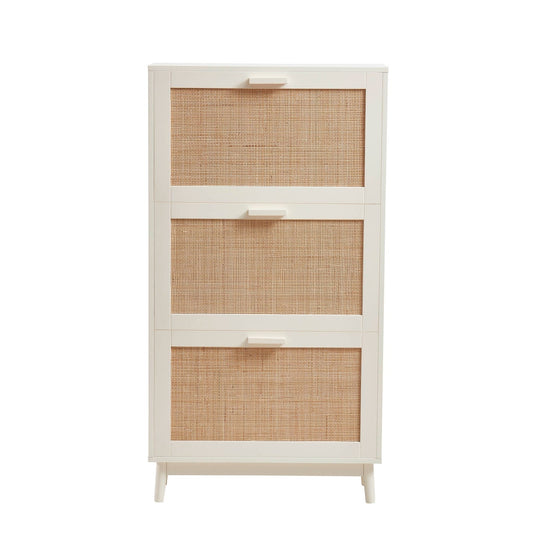
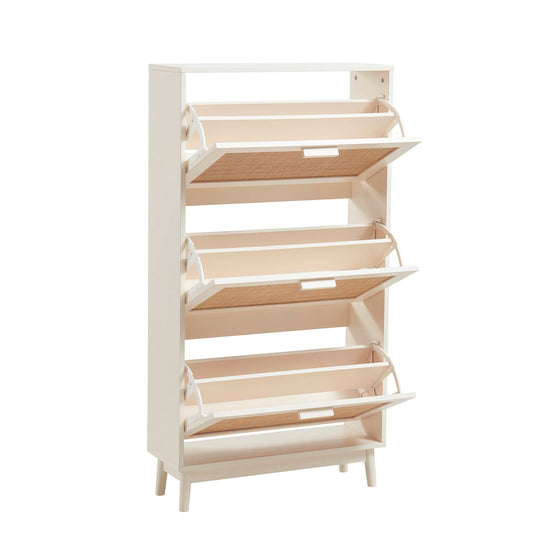
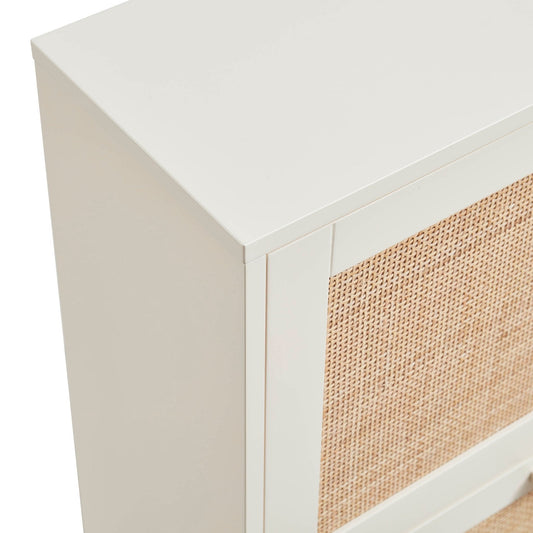
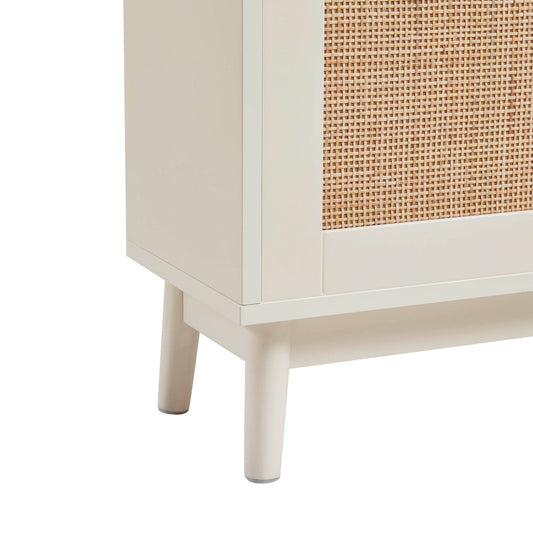
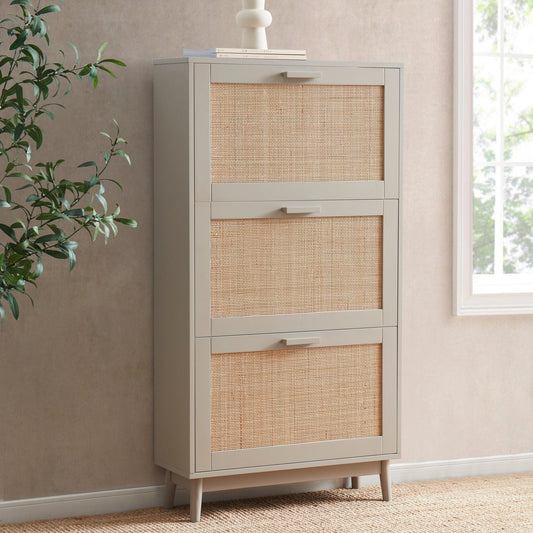
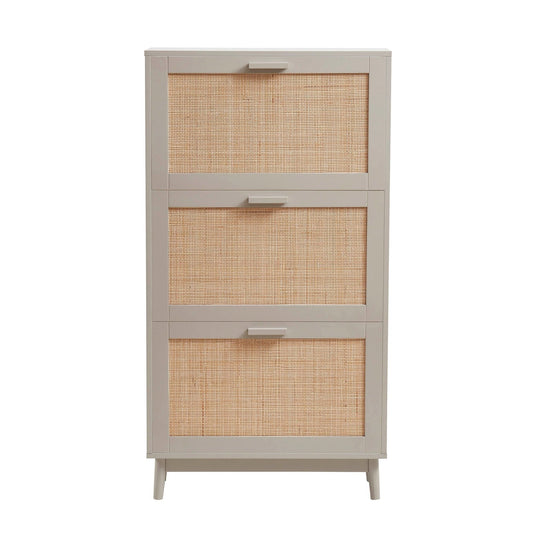
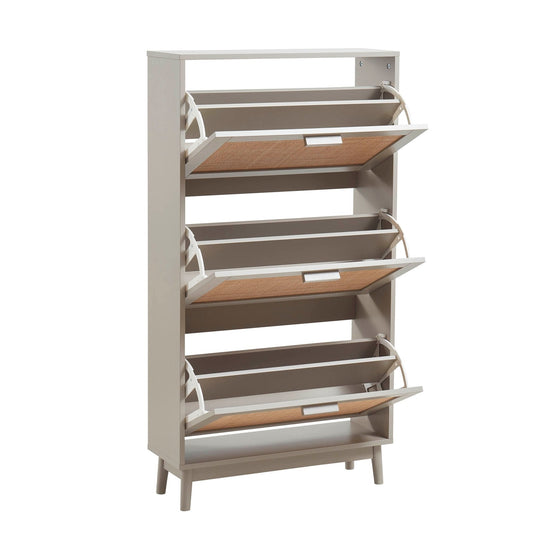
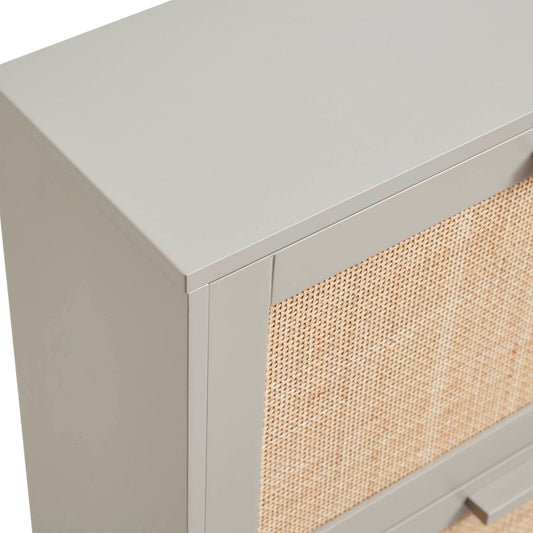
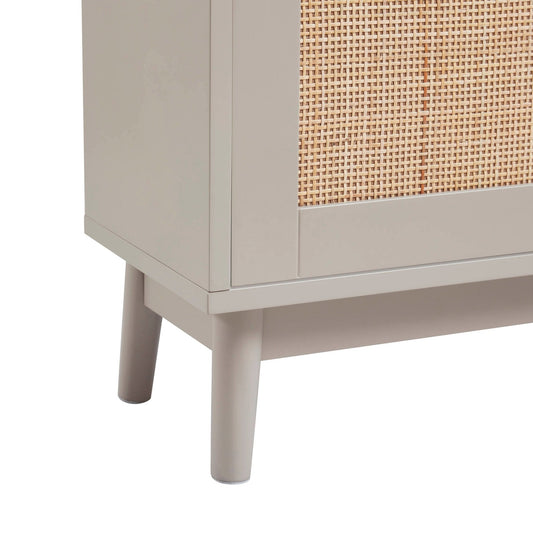
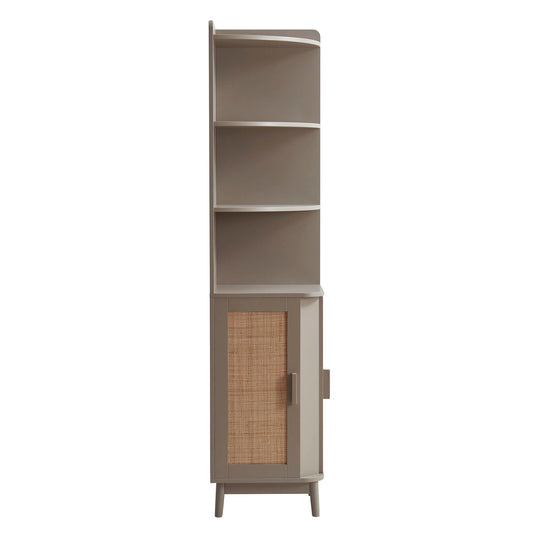
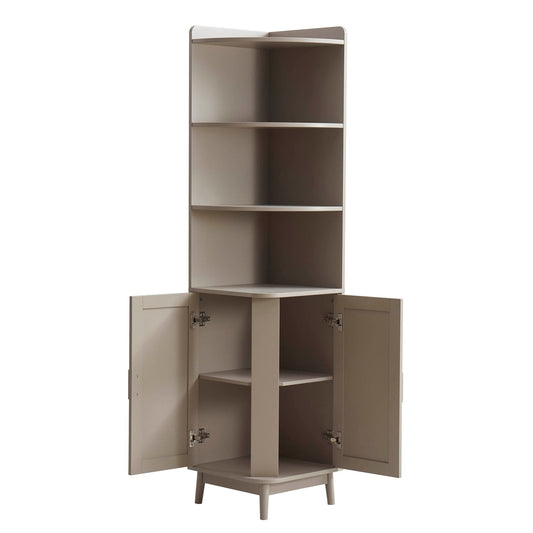
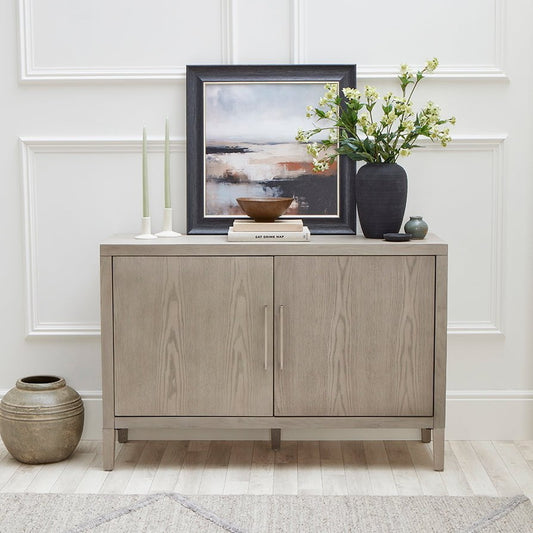
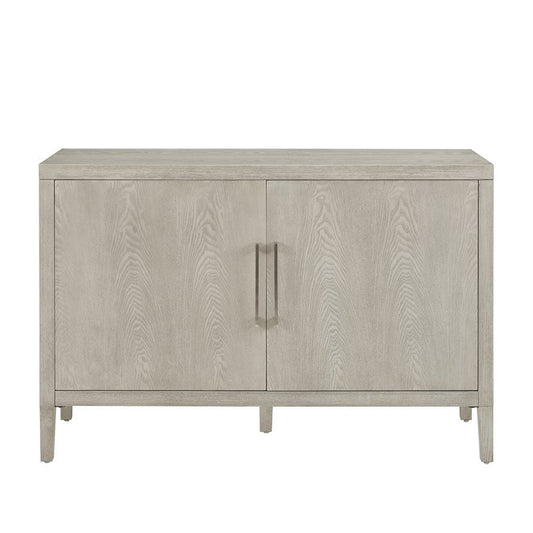
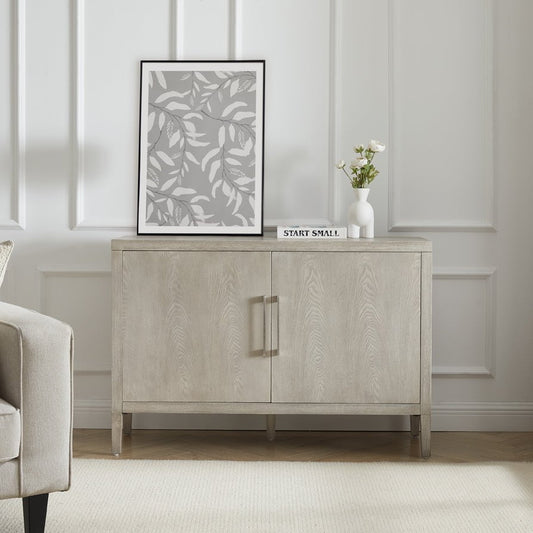
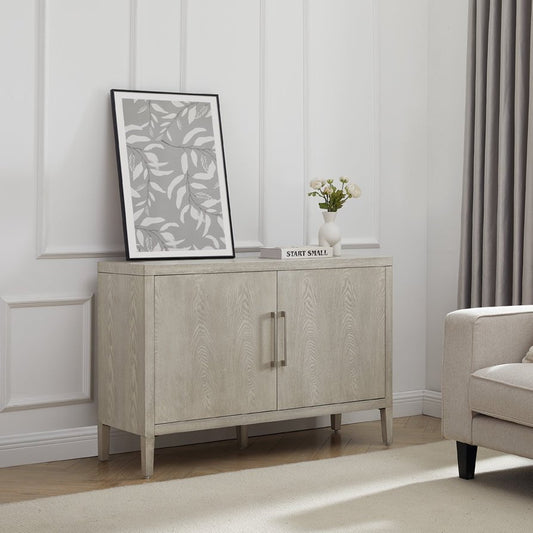
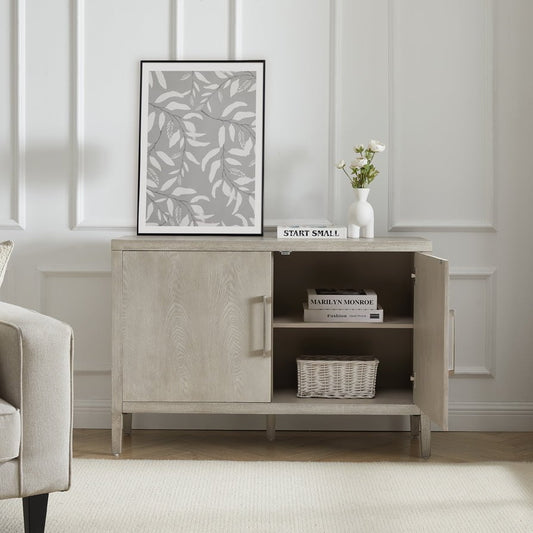
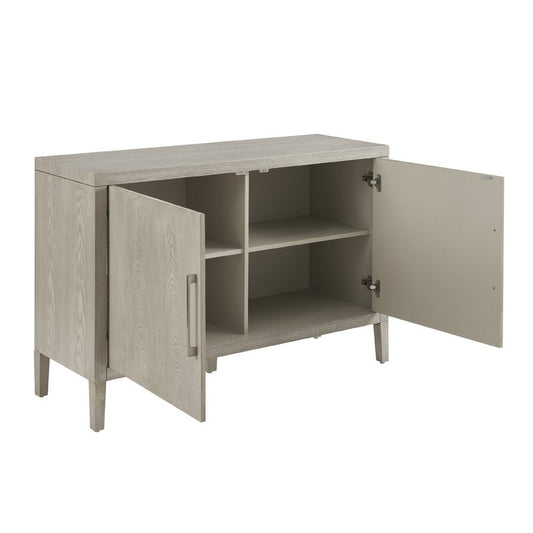
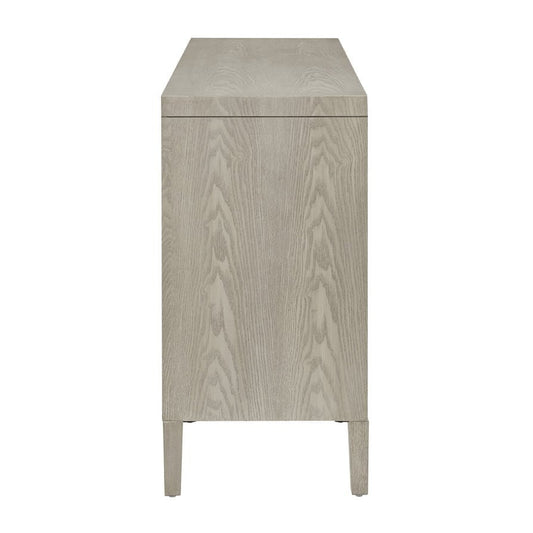
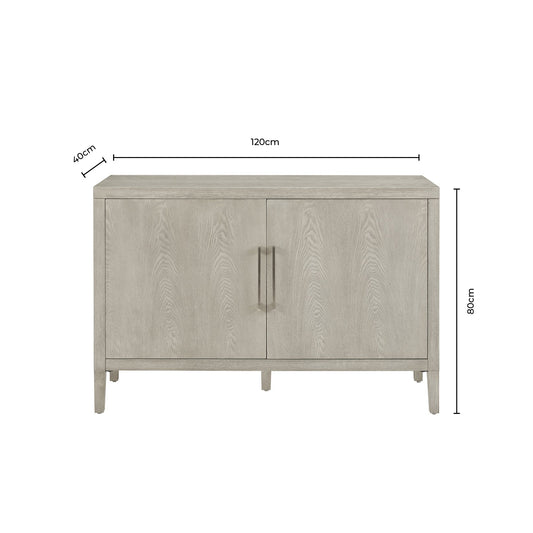
Prefer to shut the door on the whole lot? A slim cabinet is one of our favourite shoe rack ideas for a neater-looking hallway. The Hattie Shoe Cabinet has a narrow 25cm depth, so it offers concealed shoe storage without taking a large bite out of your walkway. Its fluted front also means it feels like part of the furniture, rather than something purely practical.
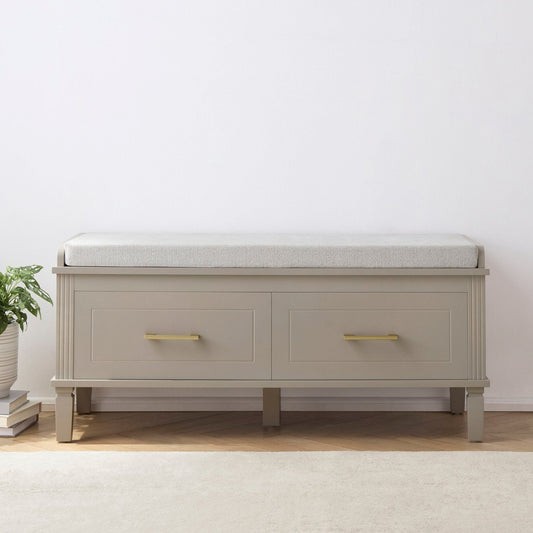
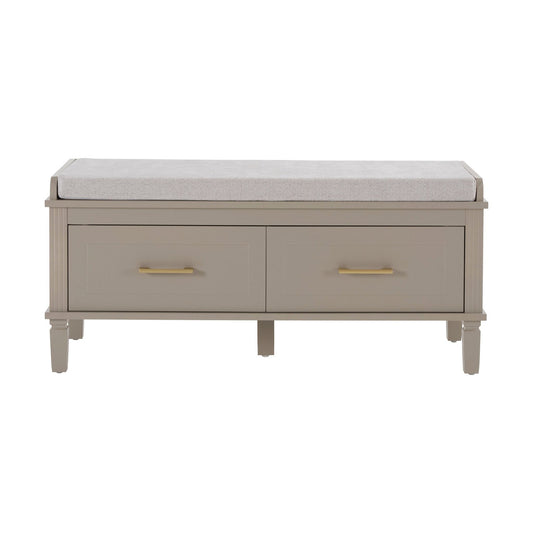
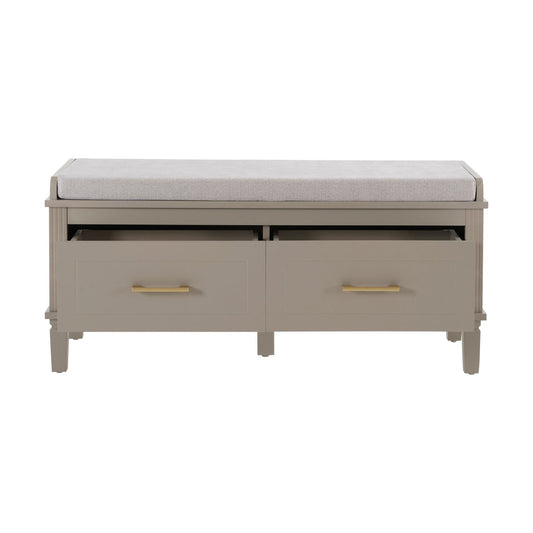
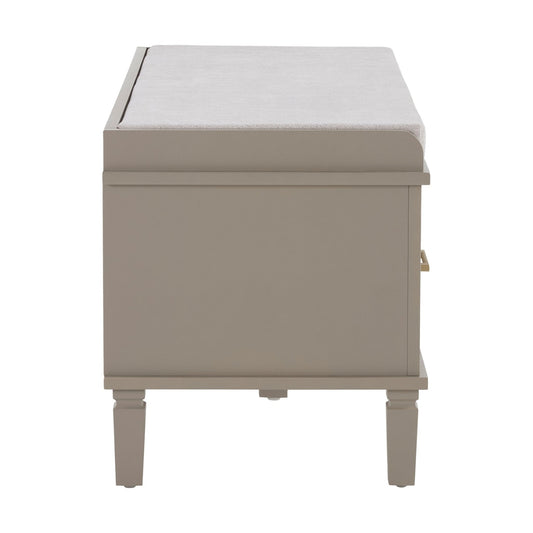
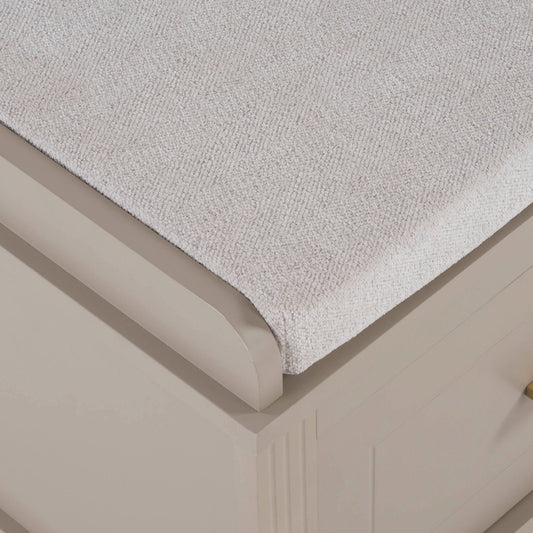
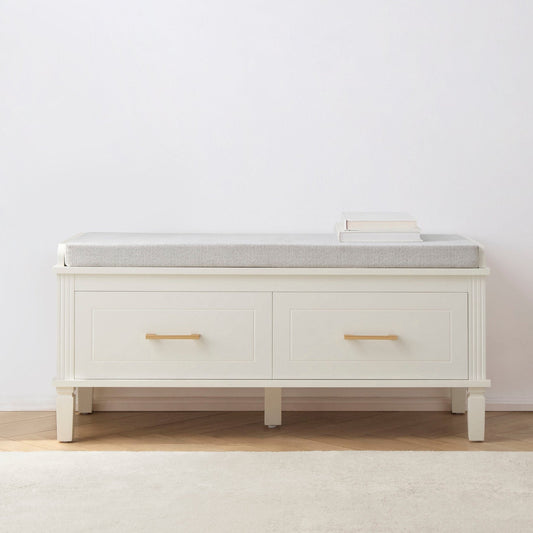
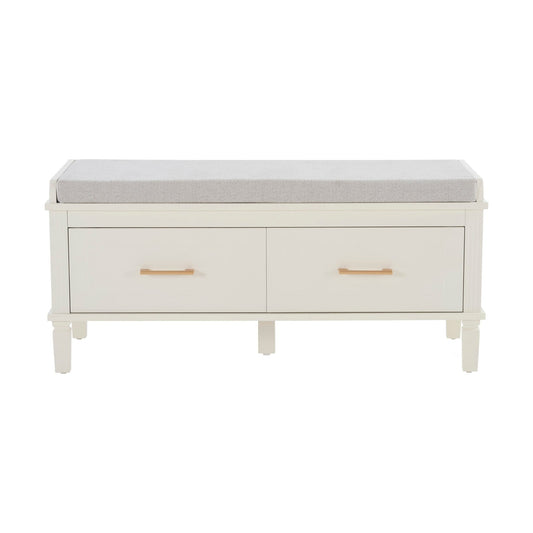
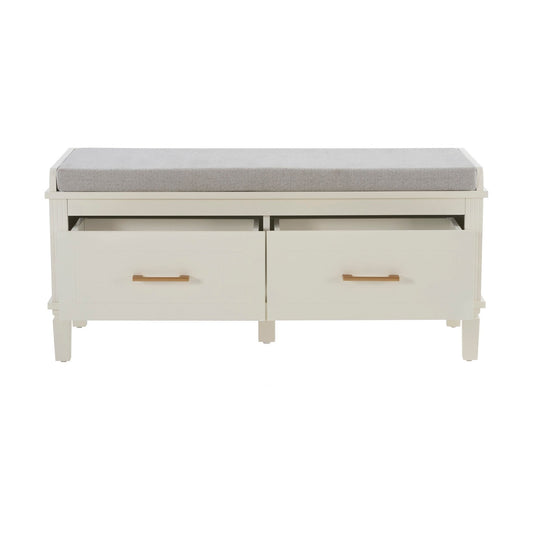
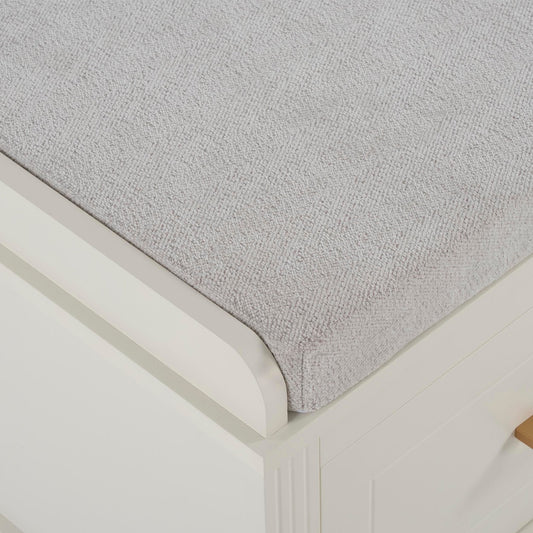
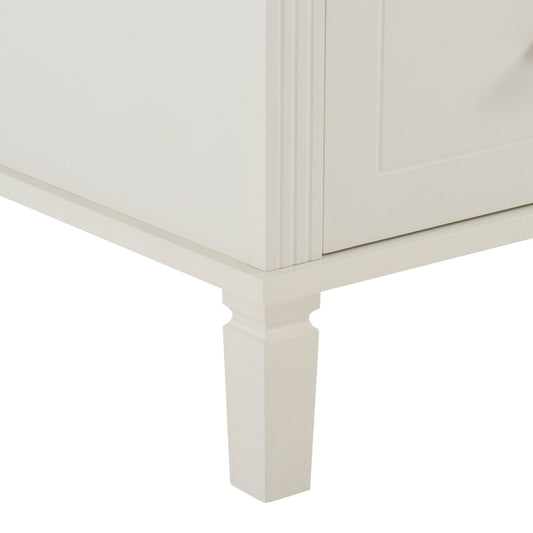
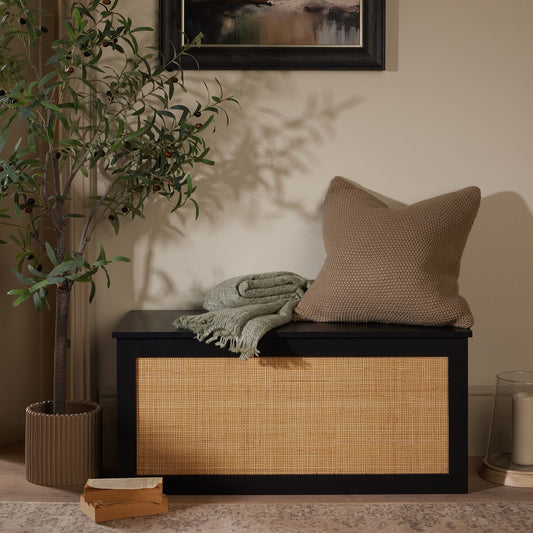
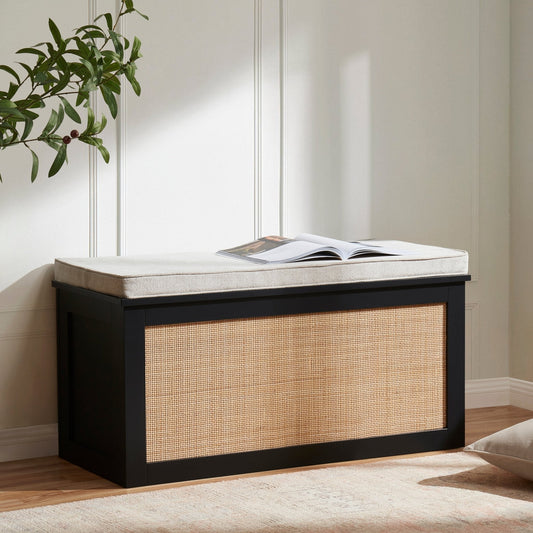
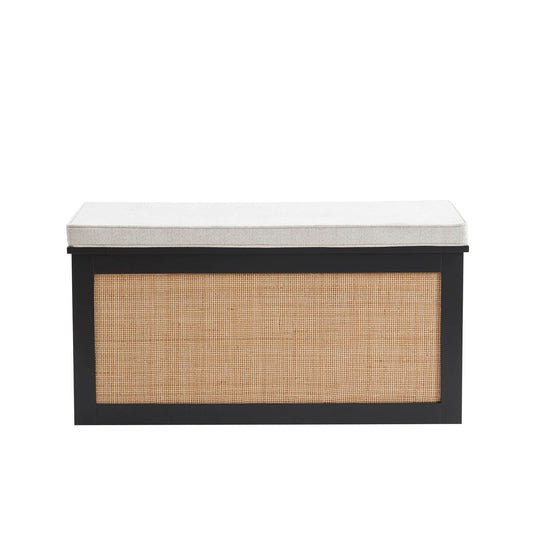
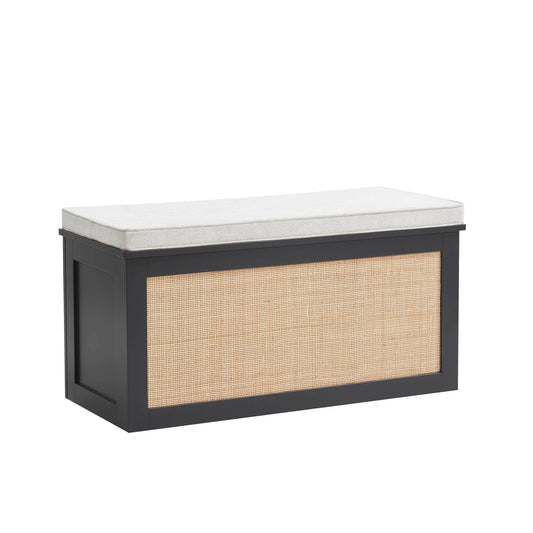
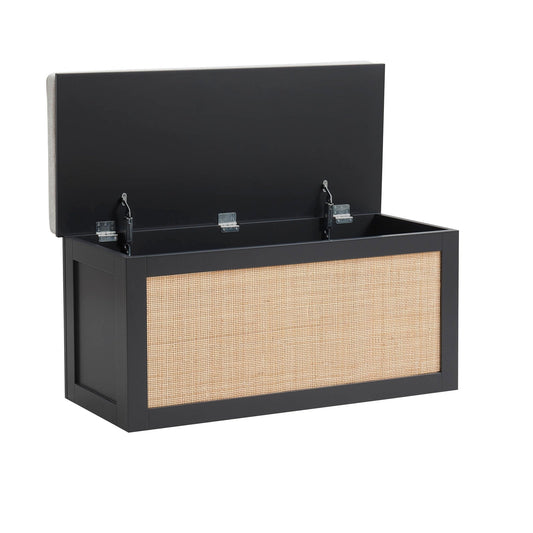
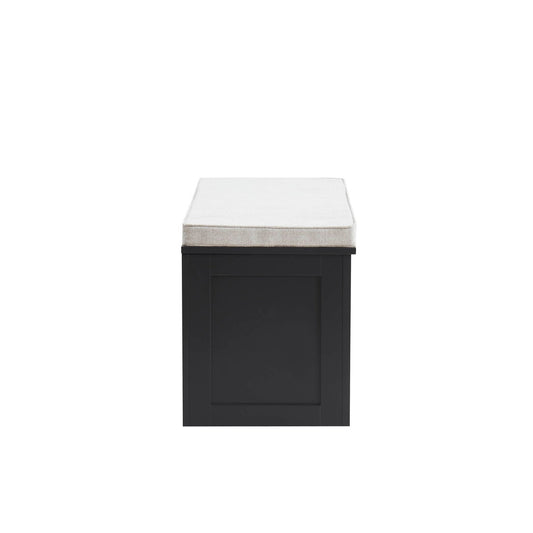
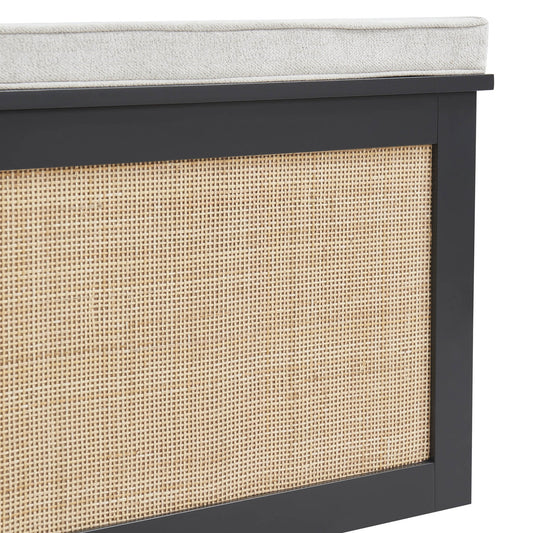
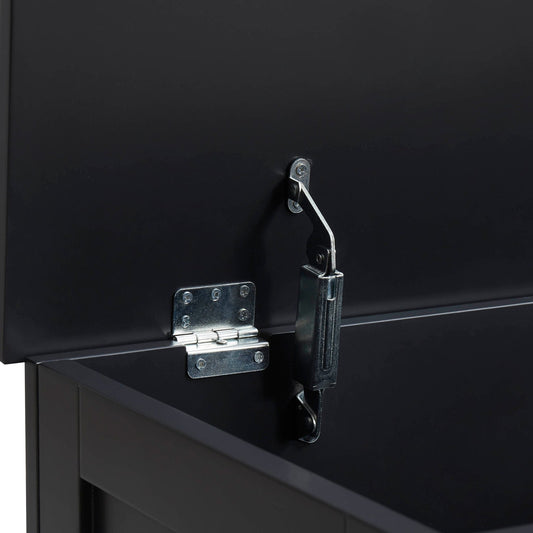
A seated cabinet gives you another option. Designs such as the Hattie Storage Bench and Poppy Seated Storage Cabinet tuck footwear beneath a cushioned seat, particularly useful when you want the hallway to look calmer once everything has been put away.
Browse our hallway furniture and storage to compare cabinets, benches and other designs before deciding what suits your space.
Small and Narrow Hallways, Sorted
A narrow hallway calls for a slightly different approach. You still need somewhere for shoes to go, but anything too deep can quickly make the route between the front door and the rest of the house feel cramped.
First, get the tape measure out. Measure your usable floor space, then check where the front door, cupboard doors and any internal doors swing. A piece of furniture might technically fit against the wall, but that does not make it useful if everyone has to shuffle around it.
For small space shoe storage, consider:
-
Go slim rather than wide. A shallow shoe cabinet uses vertical space while keeping more of the floor clear.
-
Use the walls. Wall-mounted racks, hooks and over-door organisers are useful when there really is no floor space to give away.
-
Stack upwards. Compact, stackable storage can make better use of height in particularly tight spaces.
-
Keep only everyday shoes downstairs. There is little benefit in giving precious hallway space to sandals in January or winter boots in July.
-
Avoid overfilling the entrance. If the hallway is around 90cm wide or less, pay particular attention to furniture depth and door clearance.
Shoe storage for a small hallway is less about fitting in as much as possible and more about making every centimetre earn its place.
Coat and Shoe Storage in One Place
If shoes are only half the problem, treating one area as your household's everyday drop zone can save the rest of the hallway from clutter.
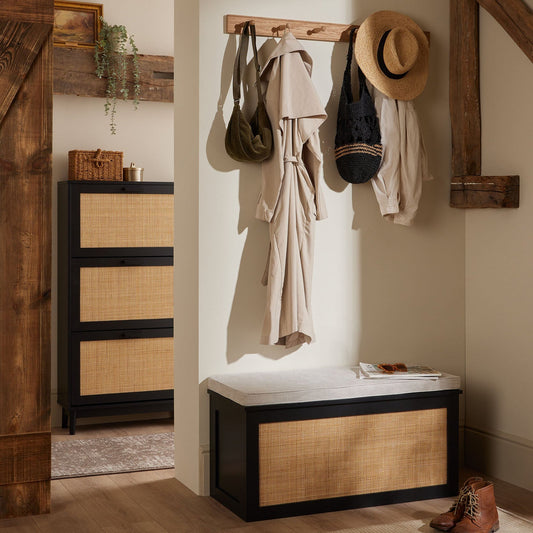
Start low down with entryway shoe storage, then make use of the wall above it for coats and bags. A storage bench works particularly well here because it gives you three useful things in one compact area, somewhere for footwear, somewhere to sit and a natural place for hooks or a hallway shelf above.
A Poppy or Nell Hallway Shelf with Hooks, for example, can sit above a coordinating storage piece to keep frequently worn coats, bags and smaller accessories together. A basket or compartment for hats and gloves helps too. The aim is simple, when somebody walks through the door, everything they are carrying should have an obvious place to land.
For wet umbrellas, a separate holder beside the bench is usually more practical than putting them straight into closed storage. Let damp items dry before packing them away.
This sort of coat and shoe storage is particularly helpful in family homes. Rather than adding a shoe rack, coat stand, chair and several baskets, concentrate the jobs into one well-planned section of the hallway. Less furniture, fewer places for clutter to hide.
Explore our storage benches for more ways to make one piece work harder.
Keeping Shoes Fresh, Dry and Organised
Putting shoes away is only helpful if they are ready to wear when you next reach for them. Damp trainers pushed straight into an overcrowded cupboard are unlikely to thank you for it.
If your household regularly comes home with wet or muddy footwear, look for shoe storage solutions that allow some airflow. Open shelves and slatted designs are useful for frequently worn pairs because air can circulate around them while they dry. Closed cabinets keep the hallway looking beautifully tidy, but shoes should be reasonably dry before you put them inside.
A little organisation goes a long way:
-
Let rain-soaked shoes dry before placing them in enclosed storage.
-
Keep muddy boots separate from clean trainers, slippers and occasion shoes.
-
Give frequently worn footwear the easiest-to-access shelf.
-
Brush off dried mud outside rather than letting it collect inside the unit.
-
Wipe storage surfaces regularly, following the care instructions for the material.
It is worth thinking about seasons too. There is no reason your hallway shoe storage needs to hold your entire collection all year round. Switching sandals for boots as the weather changes frees up space and makes the pairs you actually wear much easier to find.
And if there is one habit worth adopting, it is this: give muddy shoes a moment at the door before putting them away. Your storage, and your hallway floor, will be much happier for it.
Storage That Works for the Whole Household
Shared shoe storage can become a free-for-all remarkably quickly. One shelf starts out neatly arranged, then a pair of trainers appear sideways, somebody adds walking boots and suddenly nobody can find anything.
Giving each person their own section is one of the simplest hallway storage ideas for a family home. One shelf per person, or separate areas for school, work and weekend shoes, is often enough to keep things under control.
For younger children, reserve a low, open section for the shoes they wear most. Being able to reach their own trainers or school shoes makes getting out of the house that little bit easier, and means they know exactly where to put them when they come back in.
Larger households might find small labels useful, particularly inside closed cabinets where every compartment looks the same. Colour-coded baskets can do a similar job for accessories such as hats and gloves.
Most importantly, keep the system easy. If putting a pair of shoes away requires moving three other things first, chances are those shoes will end up back beside the front door.
Style It Without Losing the Function
Once the practical bits are sorted, you can have a little more fun with it. Hallway storage does not need much decoration to feel considered, and in a hardworking entrance, less is often more.
If your shoe cabinet has a flat top, add a small tray or shallow basket for keys and other pocket-sized essentials. It gives all those loose bits somewhere intentional to go, rather than allowing the surface to become another clutter zone.
Then look upwards.
-
Hang a hallway mirror above a cabinet to bounce light around a narrow entrance and give you a last-minute check on the way out.
-
Use wall hooks instead of a freestanding coat rack where floor space is tight.
-
Add a storage basket for gloves, scarves or reusable shopping bags.
-
Repeat finishes already used elsewhere in the hallway. Warm wood with warm wood, black details with black details. You do not need to introduce another look just because you have added storage.
The finishing touch should still earn its keep. A lovely bowl that catches keys every day? Absolutely. Six decorative objects you have to move every time you need the cupboard? Perhaps not.
Shoe Storage FAQs
How many pairs of shoes should hallway storage hold?
Your hallway shoe storage should comfortably hold the shoes your household wears regularly, with a little spare room rather than being packed completely full.
Start by counting everyday footwear. For a household of four, that can quickly add up even if everyone keeps just two or three pairs downstairs.
You do not necessarily need to store every shoe you own in the hallway. Occasion and out-of-season pairs can be kept in bedroom storage, leaving the entrance clear for the shoes you reach for most.
What's the best shoe storage for a small or narrow hallway?
A shallow, vertical cabinet is usually one of the best shoe storage options for a small or narrow hallway because it provides useful capacity without taking up too much floor depth.
Wall-mounted racks and over-door organisers can work well where floor space is extremely limited, while a compact bench earns extra points by providing both storage and somewhere to sit.
Always measure the available space before buying, including the room required for doors to open and people to pass comfortably. Our Hattie Shoe Cabinet, for example, measures 25cm deep, making it worth considering where a deeper cabinet would protrude too far into the hallway.
Can I store coats and shoes in the same piece of furniture?
Yes, coats and shoes can share the same storage area, provided there is enough space and damp items are allowed to dry properly.
A practical set-up is to keep shoes in a cabinet or storage bench below, with coat hooks or a hanging section above. This creates one organised place for the things you need when leaving the house, rather than spreading several pieces of storage along the hallway.
For busy households, add somewhere for bags, umbrellas, hats and gloves too. Keeping each type of item in its own section makes the space far easier to use, especially during the morning rush.